

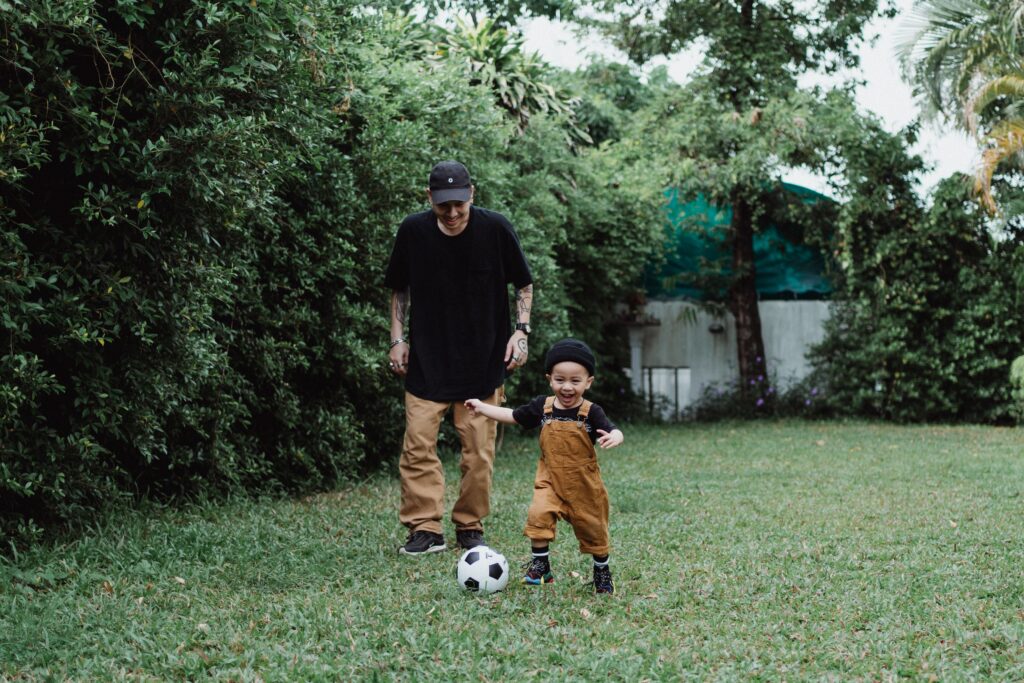

Watching a game can either come and go without much impact, or it can become a small language-building moment for your child. The difference doesn’t come from the soccer itself, but from a few simple things you do as a parent. Here’s a step-by-step plan: what to do before kickoff, how to engage during the game, and what to talk about afterward. Think of it as a simple guide for a family World Cup night — one any parent can follow, even if they’re not into sports.
Why this works is explained in more detail in another article about soccer as a tool for teaching Russian. That piece covers the “why.” This one is all about the “how” — a practical game plan for World Cup 2026. One thing to agree on from the start: tonight, you’re not the teacher. You’re the coach of your own little team — setting the tone, guiding the energy, but not drilling anyone. That’s the role we’ll stick with.
Thirty Minutes Before Kickoff
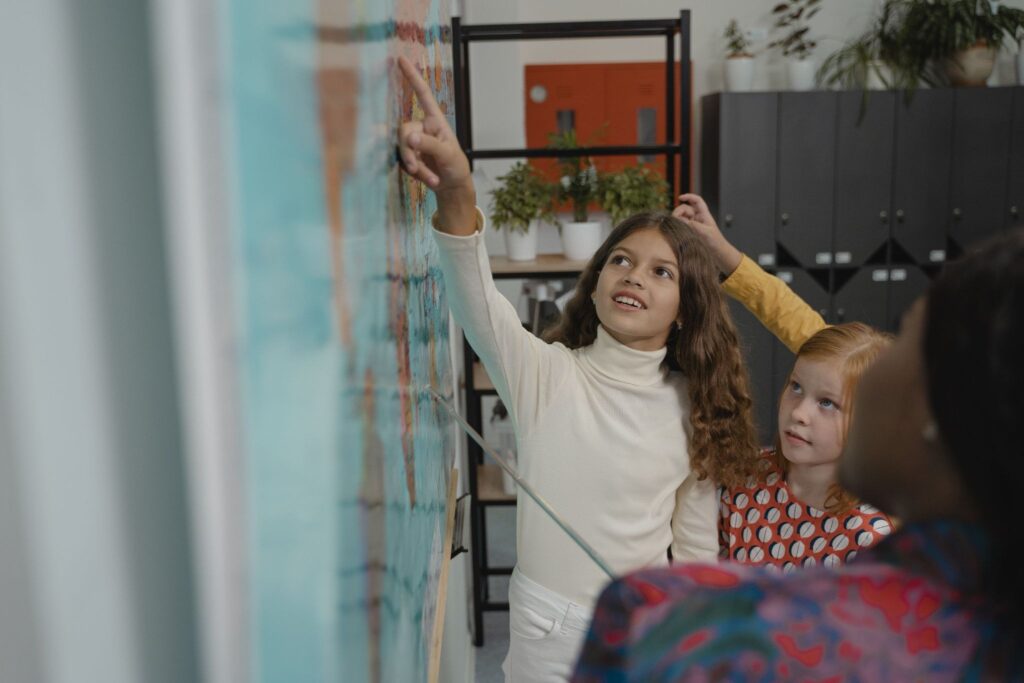
The first step takes just a few minutes. Ask your child to pick a team to root for. The reason can be anything: maybe it’s a country where relatives live, maybe they like the way the team plays, or maybe they just think the flag looks cool. It sounds simple, but this choice matters. It turns your child from a random viewer into an invested fan — someone who now has their team in the match.
Once the team is picked, find the country on a map, compare both teams’ flags, and try reading the players’ names out loud together. It takes five minutes, but in that short time your child hears a dozen geographic names in Russian — naturally, without it feeling like a lesson. That’s it. Prep done. Time to turn on the game.
During the Match: Talk, Don’t Just Watch
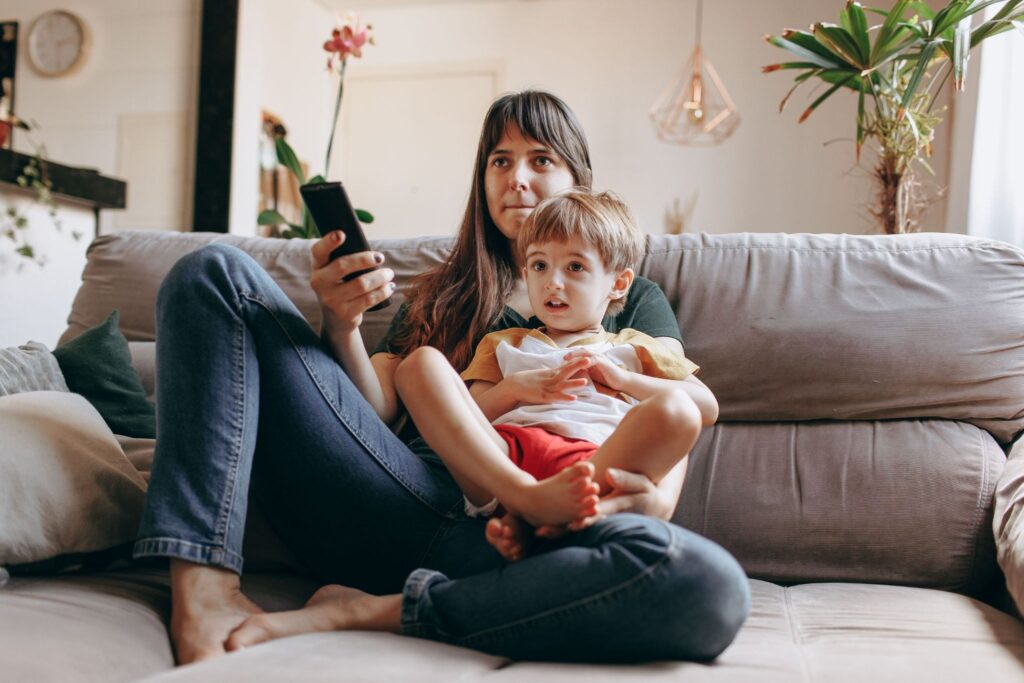
Your only real job during the game is this: don’t watch in silence.
If the first article focused on sharing emotion and excitement, this one focuses on something else — questions. A question asked in Russian turns your child from a passive viewer into an active conversation partner. Ask about what’s happening on the field, but keep it light and easy.
Questions can be as simple as:
| When | Questions |
|---|---|
| Before the match | Who are we rooting for today, and why? Where is this country on the map? Which flag do you like more? |
| During the match | Who looks stronger? Was that a fair call by the ref? What’s this called in Russian? |
| After the goal | What did you think of that goal? Who are you rooting for now? Did you see that curve on the ball? |
| After the match | Who was your favorite player? Are you upset we lost? What was the best moment? |
One important rule: a question should never feel like a demand. If your child answers in English — or just shrugs — don’t correct them or push. Rephrase it, or answer it yourself in Russian, and keep going. A question that doesn’t require an answer stays playful. A question that does turns into a test. And tests can kill the fun fast.
When a Goal Is Scored
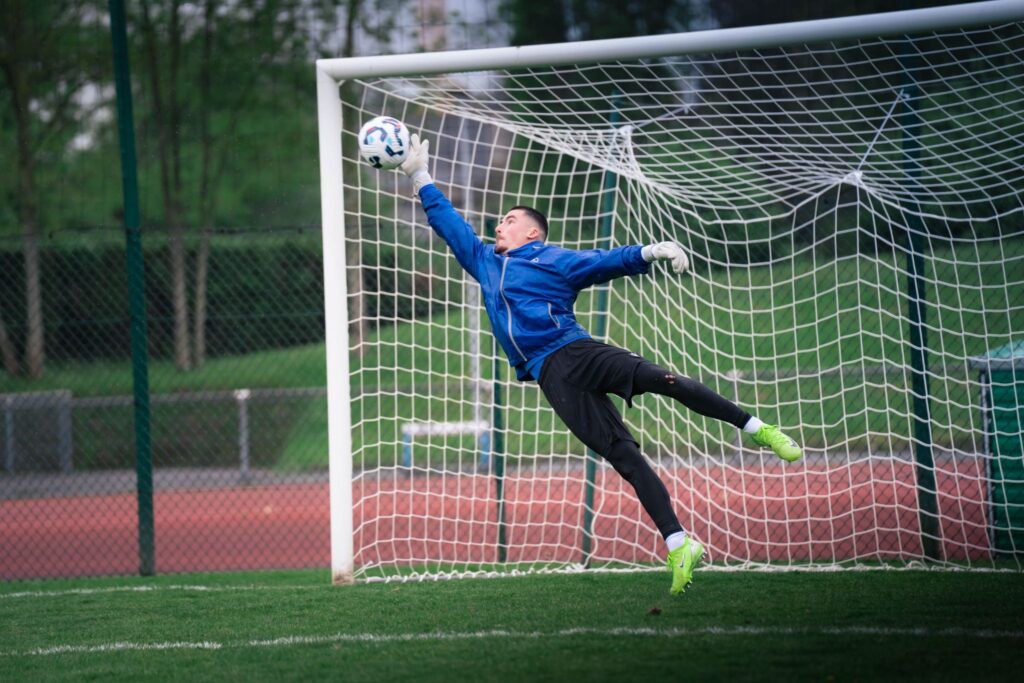
A goal is the emotional peak of the night. The cheering matters, sure, but what happens right after matters even more. Once the excitement settles, turn to your child and ask something quick and real: What did you think of that goal? Did you see how he curved it? Who are you rooting for now? Big emotions make kids more open, and words spoken in those moments tend to stick.
Even an own goal can become a useful moment. Ask: Are you upset? Do you think they’ll come back? Is it worth worrying about one goal? Through questions like these, kids pick up the language of comfort and support — something much deeper than just learning object names. A disappointed fan beside you teaches empathy better than any worksheet.
After the Final Whistle
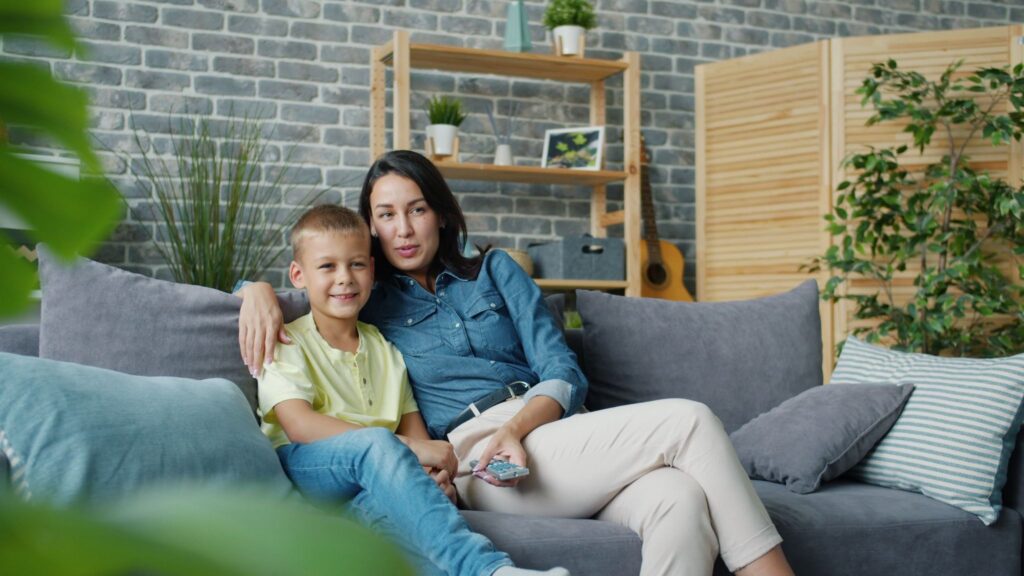
The game might be over, but the most meaningful part can start right then. While the emotions are still fresh, talk about it. Ask: How was the game? Who stood out to you? Are you sad we lost? Which goal was the best? This isn’t a quiz. It’s an emotional exchange. And kids usually want to talk, because they’ve just lived through something exciting. That conversation can easily grow into something bigger.
You can talk about where the team is from, what language people speak there, or what the country is known for. You can talk about losing gracefully. Or about how many countries and languages come together in one tournament. And maybe point out: Look how many countries are on one field — and how cool it is that you already know two languages. That’s how a soccer night naturally turns into a conversation about the bigger world — all in Russian, built on genuine interest.
If Your Child Is Still Very Young
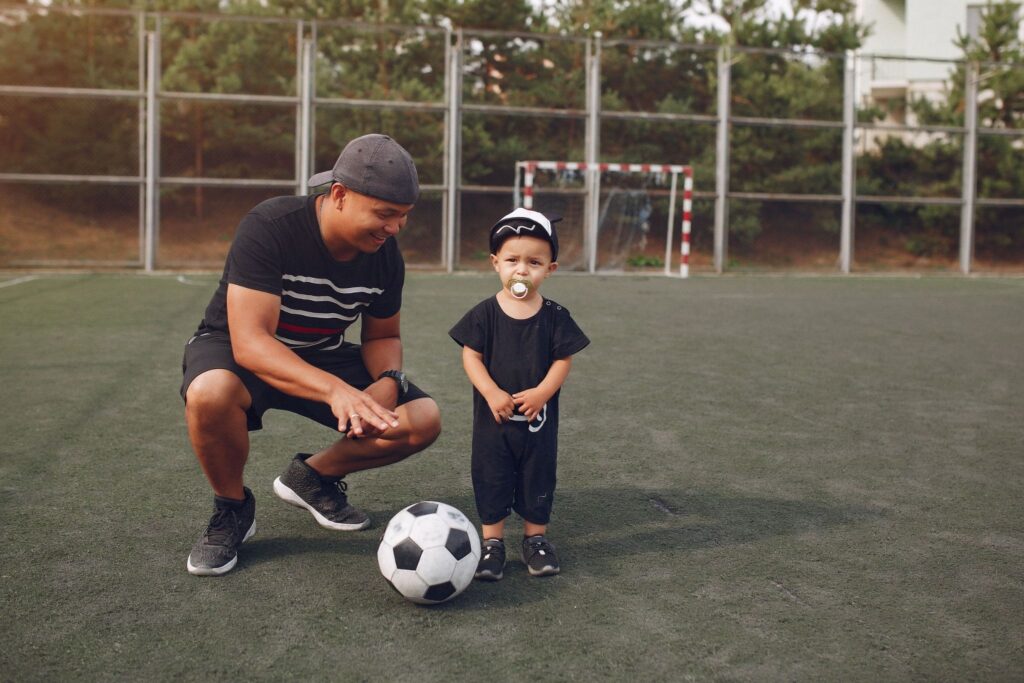
With a four- or five-year-old, you’re obviously not discussing tactics. But the game can still become a language-rich moment — you just lower the bar. Keep it simple: Look, he’s running! Oh, the ball fell! Look at the green field! Wow, so many people! Name basic objects, colors, and actions. Count players. Celebrate goals dramatically. Little kids love big reactions.
For them, the match itself isn’t the point. What matters is sitting next to you, catching your mood, and hearing your Russian. Five or ten minutes of that, and they may run off to play — and that’s perfectly fine. Don’t force it. Those short shared moments still matter. The deeper interest in the game will come later.
Turn It Into a Family Tradition

One thoughtful game night is helpful. Repetition is what creates real results. Pick one game a week and make it special: special snacks, the same spot on the couch, the same cheering rituals in Russian. Kids love routines. Before long, they’ll start looking forward to it — and to the Russian that comes with it. Over time, your family will build its own “soccer language” — inside jokes, favorite phrases, rituals, lucky habits. That’s the real goal.
Not Russian as a lesson, but Russian as part of family life. The 2026 World Cup, with games almost every day, is a perfect chance to build that habit. And once it’s there, you can keep it going long after the tournament ends.
When You Need a Second Coach
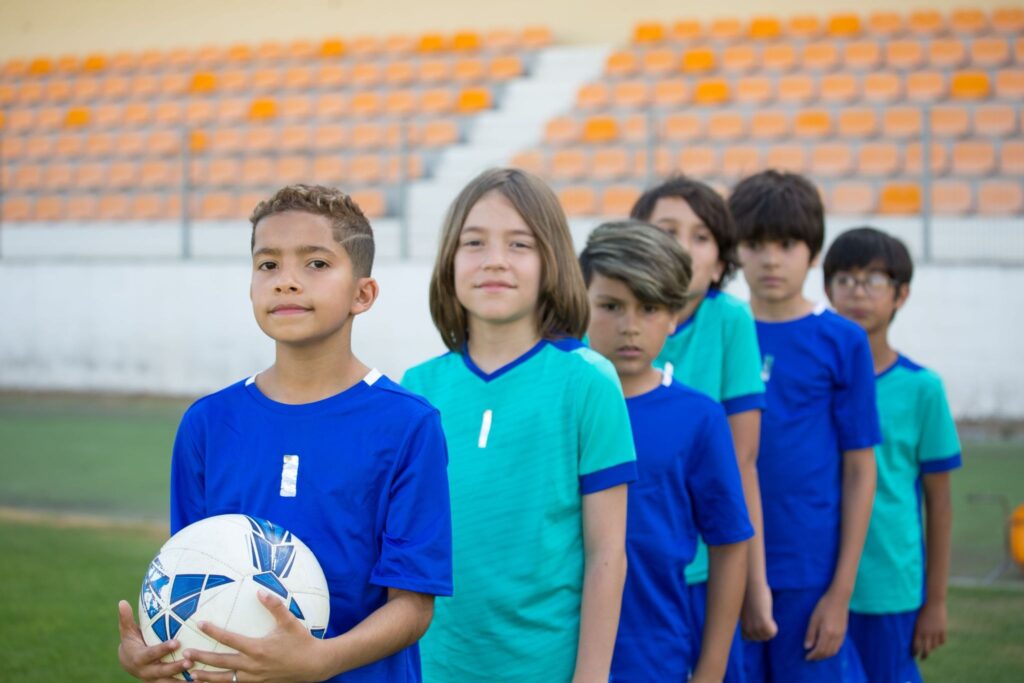
Family soccer nights can do a lot for Russian, but they have limits. A parent can bring energy and direction, but systematic work on speaking, grammar, and reading is hard to carry alone. That’s where a professional “second coach” can help. At Palme School, the approach is similar: start with what excites the child, and build living language around that interest. They work with kids ages four to seventeen, offering two tracks — bilingual and complete beginners. Classes are online, in small groups, and run for forty minutes. The first step is free: a meeting with a methodologist and a trial group lesson, so you can see whether it’s the right fit.
What Stays With Them
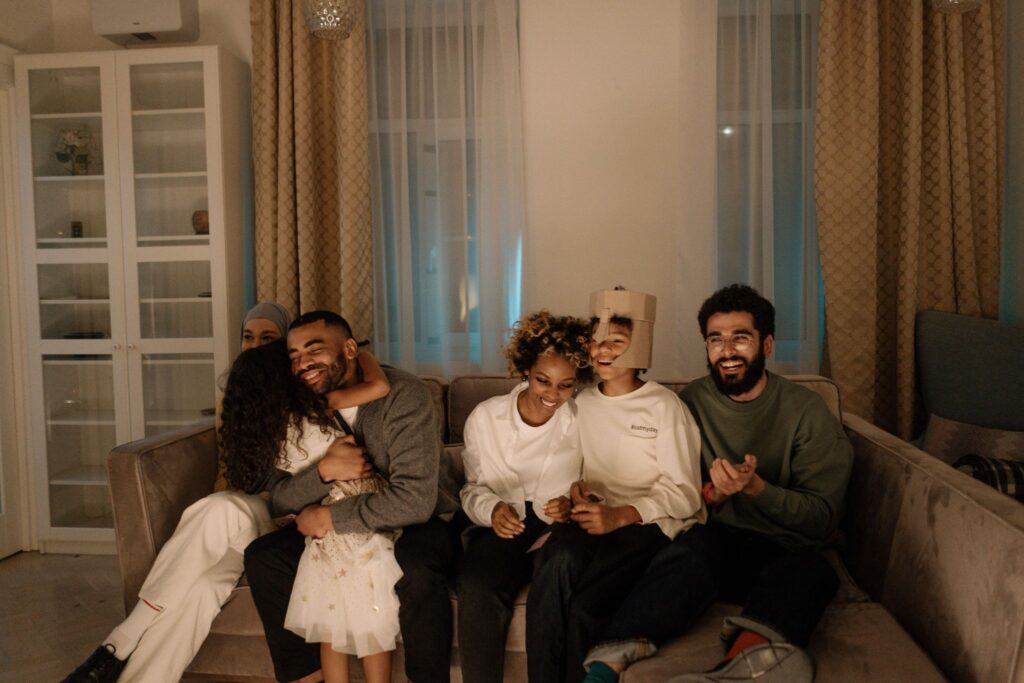
Years from now, your child probably won’t remember who beat whom in the group stage of World Cup 2026. But they may remember something else: Dad jumping off the couch. Mom gasping dramatically after every missed shot. The funny phrases everyone yelled together. The team you all rooted for that hot June night. That’s the memory you’re building. The point of the prep, the questions, and the conversations isn’t the structure itself. It’s the connection it creates: In our language, we had fun together. So don’t wait for the perfect match or the perfect words. Turn on the next game. Sit down together. Cheer out loud. In your language. Loud, excited, together. That’s the whole secret.
01 How do you start a game night in a way that gets your child engaged?
Start with a quick warm-up about ten minutes before kickoff. Pick a team to root for together, find their country on a map, look at both teams’ flags, and read the players’ names out loud. This simple ritual turns your child from a casual viewer into an invested fan with a team of their own — and naturally gets them saying a bunch of country names and new words in Russian along the way.
02 What if my child doesn’t understand the rules of soccer?
That’s totally fine — understanding the rules isn’t the main goal here. Just talk through what’s happening in simple words. Explain things as they come up, like what a corner kick is or why everyone’s cheering. With younger kids, it can be even simpler: Look, he’s running! They scored! Kids aren’t picking up on the details of the offside rule — they’re picking up on your emotions and your language, and that’s what builds both connection and fluency.
03 How do I keep my child involved instead of just sitting them in front of the screen?
Start before the game. Pick a team together, find the countries on a map, and check out the flags. During the game, ask simple questions and react excitedly to goals. Afterward, talk about what happened. These small things turn passive watching into a shared experience — one where your child has their own team, their own opinions, and a real reason to talk.
04 Won’t this turn into another boring lesson?
Only if you make it one — and that’s exactly what you want to avoid. The golden rule is: don’t test them. No “repeat after me” and no correcting every English word. Your role isn’t teacher — it’s teammate. You share the excitement, and the language naturally sticks to it. Once it stops feeling like a lesson, what’s left is pure fun — and that’s where language grows best.
05 At what age can watching soccer actually help with language?
Pretty much any age — you just adjust your expectations. With a four- or five-year-old, stick to naming simple things, colors, and actions, and celebrate the goals together. Ten minutes is enough. School-age kids can already talk about the game, root for a team, and answer questions. Teenagers can get into bigger conversations about fairness, tactics, and countries. At every age, there’s value in it.
06 How long should we watch for it to actually make a difference?
It’s not about how long — it’s about how engaged you are. With younger kids, ten minutes of active cheering together is enough, even if they run off to play afterward. Older kids might enjoy a full match. One meaningful game night a week is far better than having soccer on every day in the background while your child watches alone and says nothing.