

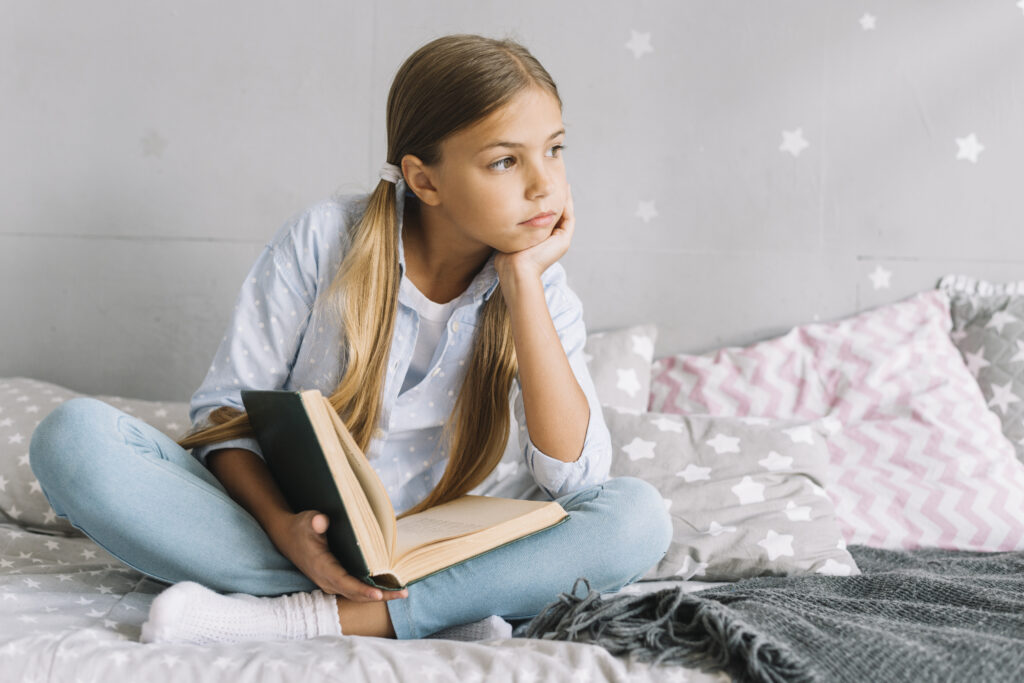

The child does everything you ask in Russian. Grandma tells a fairy tale and he listens with pleasure. But he doesn't speak himself. He answers in English or is completely silent. You know he understands perfectly. So why doesn't he want to speak?
This is not a whim or laziness. It's passive bilingualism, a typical situation for immigrant children aged 4-10. They understand Russian but don't speak it. The good news is that it's fixable. The main thing is knowing where to start.
Knows the words, but doesn't say them

Does your child have a huge passive vocabulary? They understand requests, stories, and jokes. But their active speech isn't developing. Sound familiar?
In an English-speaking environment, Russian becomes «the language of understanding.» At home, Mom says, «Take the spoon.» The child takes it. But he himself replies, «I want juice.» Why bother when it's already understood?
This is not a defect. Studies show that the passive vocabulary of bilinguals is often larger than that of their monolingual peers. There's simply no habit of speaking it. In school, everything is in English, and friends don't understand Russian. Russian remains «in reserve.».
Three reasons for silence
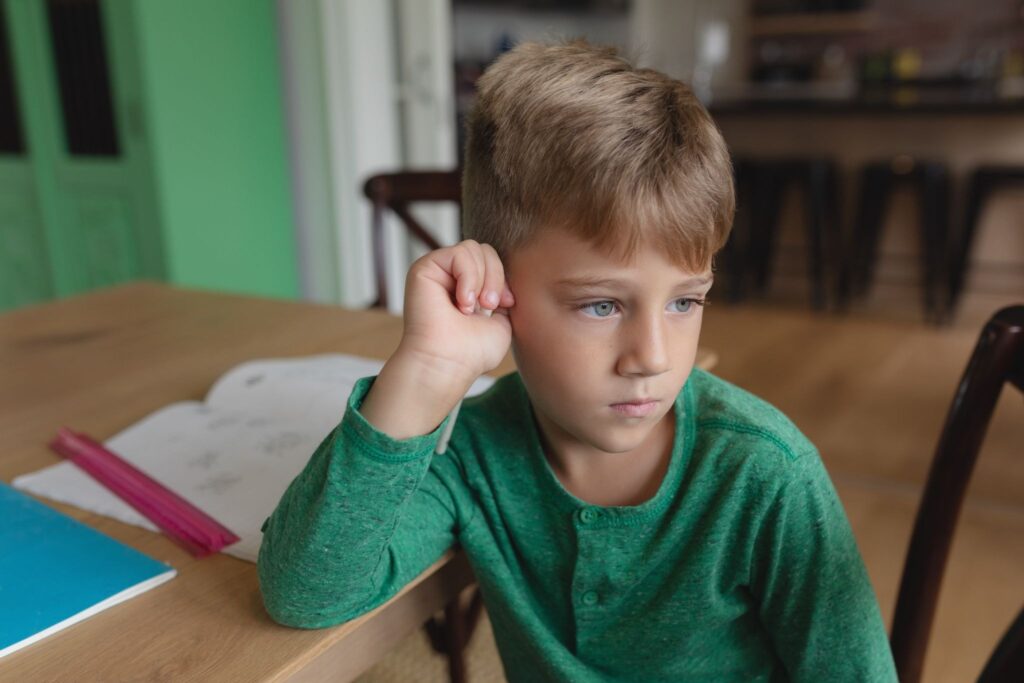
Среда давит. 90% общения — английский. Школа, друзья, мультфильмы, игры. Русский звучит только дома. Мозг экономит силы: «Говорю на главном языке».
Fear of mistakes. From the age of 6-7, children become shy about their accent. «I'd rather keep quiet than say something wrong.» Especially if they are corrected at home: «Not like that, say it correctly.».
There's no practice. At home, a nod or mixed language is fine. There's no Russian in kindergarten/school. The child thinks, «Why learn if they communicate anyway?»
Immigrant families experience this massively. The first generation speaks fluently. The second generation understands. The third generation forgets. But the second stage can be switched to active speech.
Where to start today
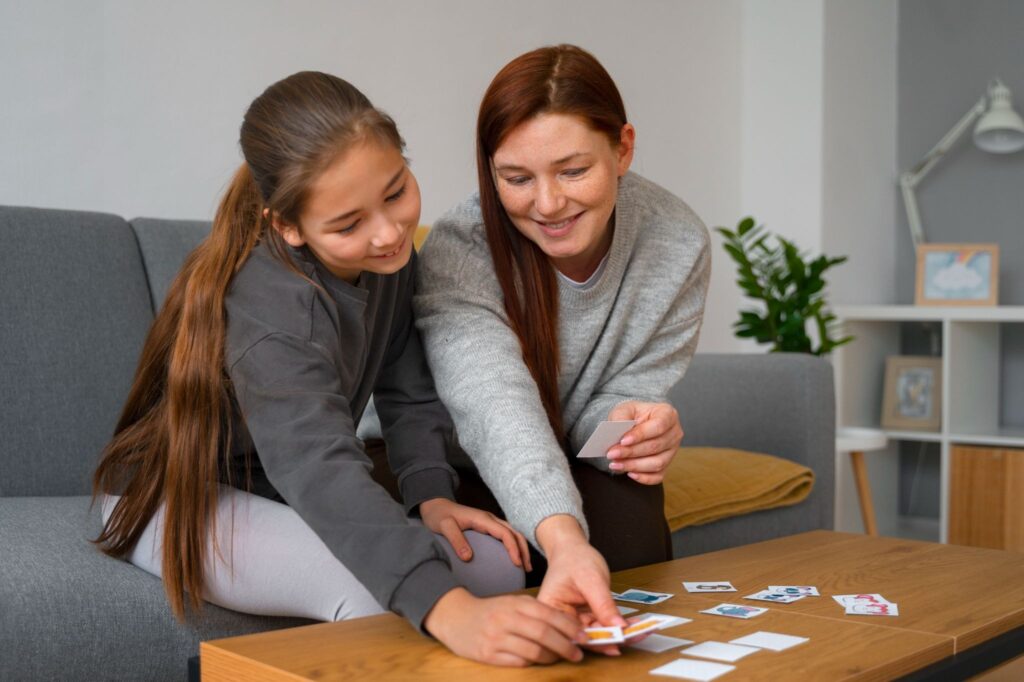
Don't force it. Don't yell «Speak Russian!». The child will shut down. Start with games where speaking is easy and fun.
Five steps to speech:
- «Echo» at dinner. You: «I'm eating soup.» The child repeats. Then they start. 5 minutes.
- Name the picture. Showing a toy/food: «What is it?» Didn't say? Say it together.
- Multiple choice question. Not «What were you doing?», but «Were you playing with the car or reading?»
- Russian ritual. Before bed: «What was good today?» One word is already a success.
- Notes. Morning: «Eat an apple.» Evening: draws/writes a response.
Praise the attempt: «Great job saying your first word!» Don't notice the mistakes.
Features of ages 4-6 and 7-10
4–6 years old: The brain is plastic. They only need 15–20 words to get started.
What to do: Sounds, toys, songs. «Kitty meow! Say meow!»
7–10 years old: Huge passive vocabulary, but shy. They want to be «like everyone else.».
What to do: Dialogues about school, friends. «What was funny today?»
Toddlers will start speaking in 6–8 weeks. Older children need 3–4 months for confidence.
The biggest mistakes parents make
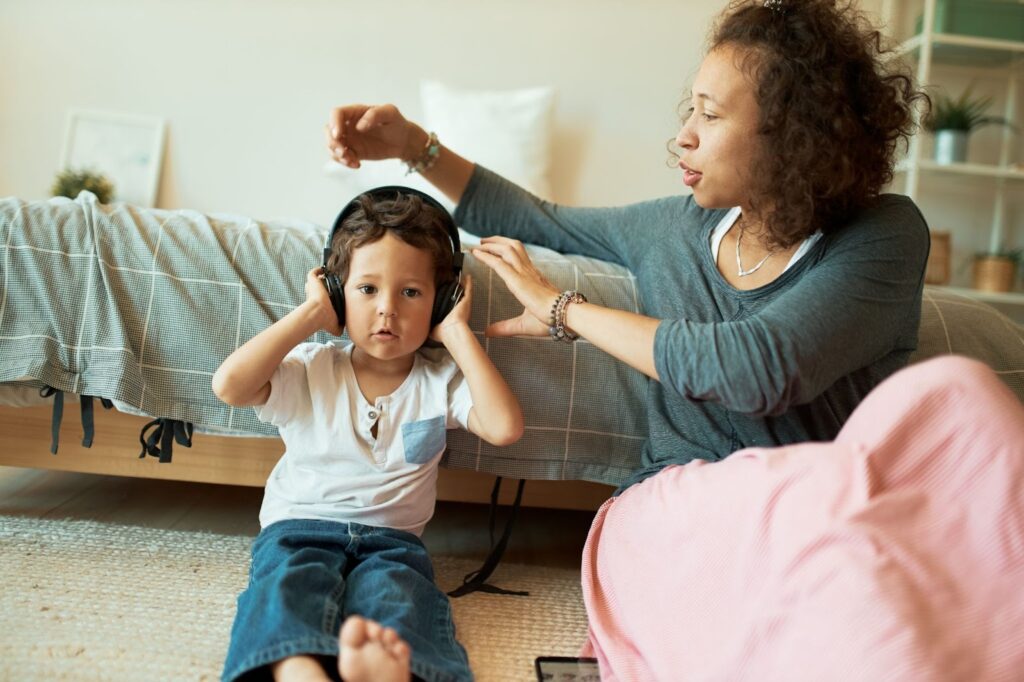
«Why aren't you talking?» Pressure. The child thinks: «I can't do it, so I won't even try.».
«Look at how others are!» Shame. «I'm the worst of all» and complete refusal to speak.
Okay, fine, say whatever you want. Russian is discarded as unnecessary.
These errors lead to a complete loss of language. The child understands their grandmother until age 12, then forgets.
At Palme School, we're translating the passive voice into the active voice.
Teachers know that a child understands more than they say. They start with simple tasks: naming a picture, choosing an object. After 4 lessons, short phrases. After 8, dialogues.
Small groups give everyone a chance to speak. Parents see: yesterday they nodded, today they said «I want.» In a month, they're talking about their day.
Your personalized plan
Every child is different. Some need games, others conversational clubs. A methodologist will assess for free: passive/active vocabulary, readiness for speech, motivation.
What you'll get:
- 15-minute diagnostics
- 4-week plan (at home + lessons)
- First words at 2 weeks
Come for a consultation with a methodologist, and we will select an approach for your child.