

Sofia is seven, and the first Russian word she read on her own was four magnet letters her mother had left on the refrigerator, МАМА, in a kitchen in a suburb of Sacramento. She read it without being taught, because every letter in it, the М and the А, looks and sounds almost exactly like the English M and A. That one word does most of the work of a first lesson. The Cyrillic alphabet looks like a wall from across the room, and up close a good part of it is a set of small pieces, several of which a child who already reads English half knows.
How many letters are in the Russian alphabet
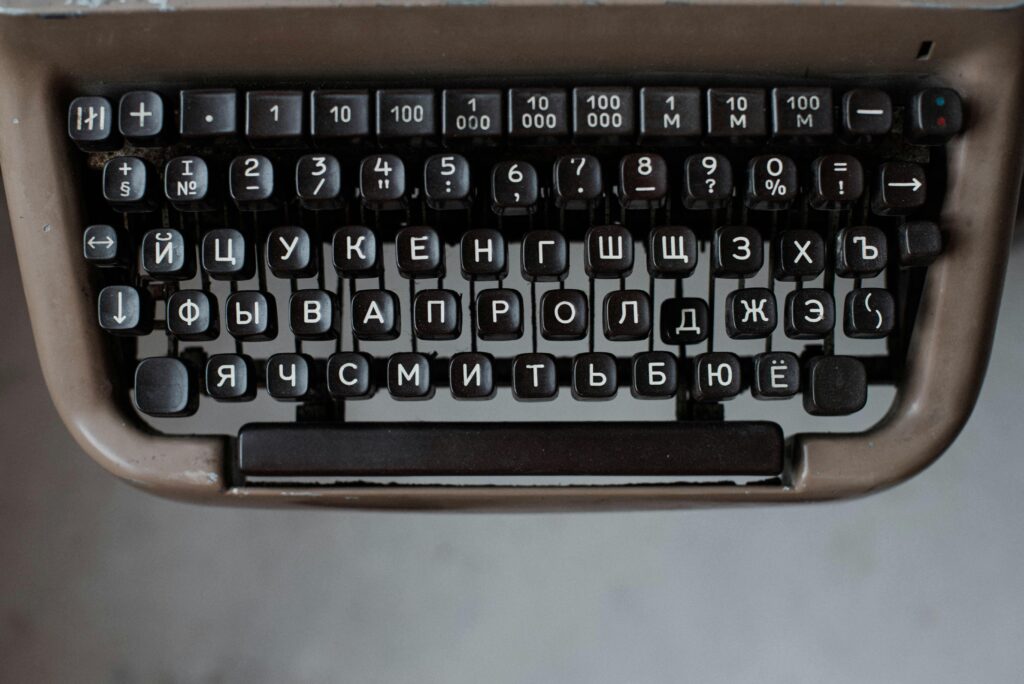
The count of the letters by which the Russian alphabet is made up comes to 33. Of these, ten are the vowels (а, е, ё, и, о, у, ы, э, ю, я), twenty one are the consonants, and the remaining two, the soft sign ь and the hard sign ъ, are signs to which no sound of their own is given and by which only the sounding of the letter standing before them is altered. When the row of magnets is counted by Sofia against the chart that was mailed to her by her grandmother from Russia, the number that is arrived at is 33, and it is the same count whether the letters are printed in a book, typed on a phone, or written by hand. The Cyrillic script by which they are carried goes back to the ninth century and to the work of Saint Cyril, though the version that is learned by a child today is the modern Russian one, which was settled after a spelling reform of 1918 by which four old letters were retired.
| Letter | Sounds like | Example word |
| А а | «a» as in father | арбуз (ar-BOOZ) — watermelon |
| Б б | «b» as in book | бабушка (BAH-boosh-ka) — grandma |
| В в | «v» as in voice | вода (va-DA) — water |
| Г г | «g» as in go | год (got) — year |
| Д д | «d» as in dog | дедушка (DYE-doosh-ka) — grandpa |
| Е е | «ye» as in yes | еда (ye-DA) — food |
| Ё ё | «yo» as in yogurt | ёж (yozh) — hedgehog |
| Ж ж | «zh» like the s in measure | жук (zhook) — beetle |
| З з | «z» as in zoo | зима (zee-MA) — winter |
| И и | «ee» as in see | игра (ee-GRA) — game |
| Й й | «y» as in boy | йогурт (YO-goort) — yogurt |
| К к | «k» as in kite | кот (kot) — cat |
| Л л | «l» as in lamp | лето (LYE-ta) — summer |
| М м | «m» as in mom | мама (MA-ma) — mom |
| Н н | «n» as in no | нос (nos) — nose |
| О о | «o» as in more | окно (ak-NO) — window |
| П п | «p» as in pet | папа (PA-pa) — dad |
| Р р | rolled «r» | рот (rote) — mouth |
| С с | «s» as in sun | сок (sok) — juice |
| Т т | «t» as in top | там (tam) — there |
| У у | «oo» as in moon | утро (OO-tra) — morning |
| Ф ф | «f» as in fun | фрукт (frookt) — fruit |
| Х х | throaty «h» as in loch | хлеб (khlyep) — bread |
| Ц ц | «ts» as in cats | цирк (tsirk) — circus |
| Ч ч | «ch» as in chair | чай (chai) — tea |
| Ш ш | «sh» as in shoe | школа (SHKO-la) — school |
| Щ щ | long soft «shch» | щенок (shche-NOK) — puppy |
| Ъ ъ | hard sign, no sound of its own | подъезд (pad-YEZD) — building entrance |
| Ы ы | a deep «i» as in bit | сыр (sir) — cheese |
| Ь ь | soft sign, no sound of its own | день (dyen) — day |
| Э э | «e» as in echo | это (E-ta) — this |
| Ю ю | «yu» as in use | юбка (YOOB-ka) — skirt |
| Я я | «ya» as in yard | я (ya) — I |
The Cyrillic letters that look familiar, and the ones that fool you
Six Russian letters are exact matches for English in both shape and sound, А, Е, К, М, О, and Т, which is why МАМА fell open to Sofia so easily. A second set is made of letters that look like English but by which a different sound is stood for, and it is these that a new reader is tripped by. In the Russian alphabet the В is sounded like «v,» the Н like «n,» the Р like «r,» the С like «s,» the У like «oo,» and the Х like a throaty «h.» Sofia read РОТ as «rot» in her first week and was surprised to learn it is said «rote» and means mouth. The rest of the alphabet is shapes that are new to her, among them Ж, Ф, Ц, Ч, Ш, and Щ, and she learns these the way she once learned that English keeps a Q around, one at a time, by meeting them in words.
How to start reading Russian

The fastest way in is the one Sofia took by accident, which is to begin with the look and sound matches and build short, real words from them before worrying about a single rule. After МАМА came папа, which added one new shape, the П that says «p.» The two silent signs, ь and ъ, are the last thing to fuss over, since they bend a neighboring sound rather than add one of their own. The letter Я is worth meeting early, because on its own it is the Russian word for «I,» said «ya,» and a child likes reading a whole word that is also one letter. None of this gets memorized from a chart in an afternoon. Sofia picked up a few letters a week off cereal boxes and the notes her mother left in her lunch, which is how reading in any alphabet is built.
The first Russian words a child wants to read
The words that are reached for first by a child are the names of the people who are loved by her. Mama is мама and papa is папа, the two that are easiest, for the reason that both of them are built from letters that are already held by her. Grandmother is бабушка, said «bah boosh ka,» and grandfather is дедушка, said «dye doosh ka,» and inside the family Sofia often shortens them to баба and деда. These are longer words, so they are the ones on which she first felt she was reading rather than matching shapes. When she made a card for her grandparents, she wrote both names across the top and the country they were born in, Россия, said «rah SEE ya,» underneath. Numbers arrive around the same time, and counting from один, which is one, to десять, which is ten, hands a child ten more short words to sound out, most of them built from letters already in hand.
Where a child picks up Cyrillic fastest

A child learns the alphabet fastest where the letters get used with other people rather than drilled alone. At our school the groups stay small, they meet a couple of times a week, and the hour goes to reading and saying real words rather than reciting the chart. The first two lessons are given free of charge and come one after the other. The child is met first by a methodologist, by whom the level at which the child stands is determined, and after that a full lesson is taken by her in a group with a teacher, so that a parent is able to watch a child by whom not a word of Russian could be read in the morning sound out a grandparent’s name by the afternoon.