



At ages 6–11, children already perfectly understand the difference between languages. If a child switches to English or becomes silent, it is almost always a signal that they are currently uncomfortable speaking Russian. Possible reasons:
- Fear of making mistakes. The child is afraid of saying something «wrong» and will prefer to remain silent. Especially if they are often corrected at home.
- Switching fatigue. After English class, my brain doesn't want to reorient. Russian requires extra effort.
- Protest against pressure. When a child is expected to give «correct» answers, they may demonstratively withdraw into silence.
- Boundary testing. «What will happen if I don't answer?» children at this age are testing their parents' reactions.
How to distinguish causes:

| Sign | Uncertainty | Fatigue | Resistance |
| When does it arise | When asked to tell/explain | After school, in the evening | When directly told «speak Russian» |
| Reaction | Mixed words, short phrases | Complete silence, «yes/no» | Demonstrative English |
| Duration | Only in difficult situations | Before resting/sleeping | Until depressurization |
What not to do as parents

- Don't give them an exam. Phrases like «You understand! Speak Russian!» only increase resistance.
- Don't be angry. Emotions show the child: «Russian = argument.».
- Do not translate to English. This reinforces: «English = way out.».
Calm phrases for such situations

Try these lines next time, they relieve tension and bring back a natural Russian feel:
- «It looks like you don't want to talk right now. I'll wait» — gives you a pause.
- «Can you answer in Russian or show that you understood? I don't care how» (releases pressure).
- «I see you're tired. Can we talk later?.
- «Say at least one word in Russian, and that's enough» (minimal goal).
- «I understand it's difficult. Let's do it together: put away one toy.
2-Minute Game: Let's Revive Russian Quickly
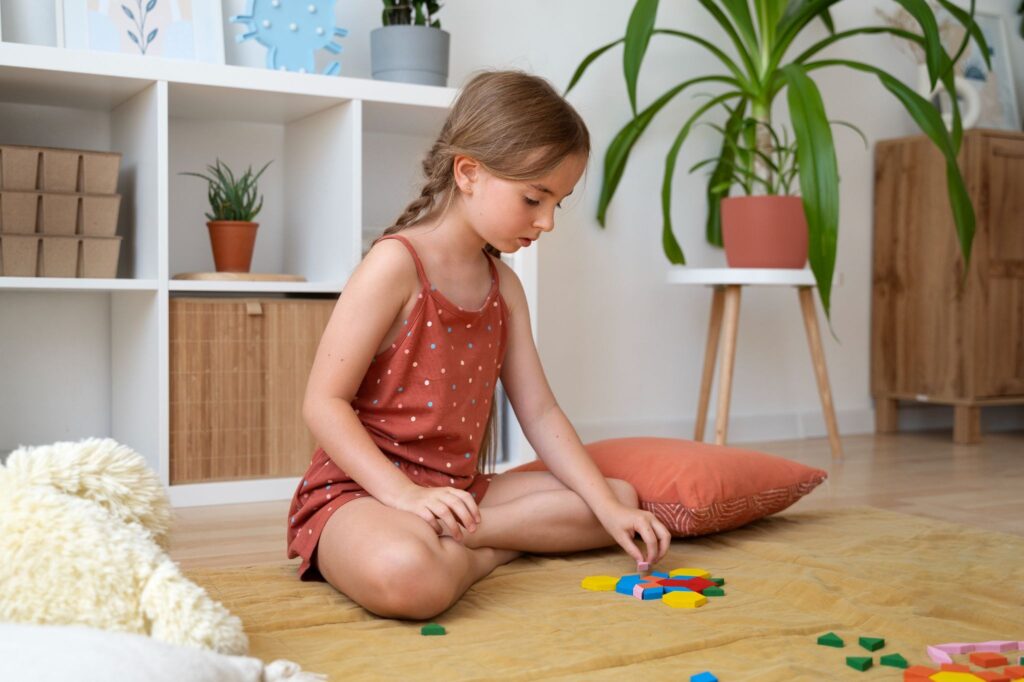
Ask the child: «What do you see around you? Name at least one word in Russian.» Add praise: «Super! What else can you name?» If the child is silent, help: «Here's a lamp. What do you have at hand?» Don't drag it out longer than two minutes.
Such quick conversations are more effective than school lessons. The child manages the process themselves and isn't afraid to make mistakes.
Russian is associated with joy

«What's happening there?» is a funny meme that I remember from my childhood. It features a cat that is acting very strange and seems to be hallucinating. The cat's owner posted the video online, and it quickly went viral. The meme is often used to describe situations where someone is acting in a weird or irrational way.
Here's a joke about the meme:
Why did the cat cross the road?
To get to the other side of the meme!.
Small habits instead of rules
At dinner, speak Russian for 5 minutes about the past day, and on Fridays, exchange short notes with each other. On the trip, play an audio fairy tale. One such moment is stronger than all the demands to «speak!».
Mistakes are part of the game
Explain to a child: «Mistakes are needed, like training before a match.» Play «with mistakes»: «The dog barks: I'm hungry now!» Humor removes fear better than any reprimand.
Demonstrate the practical usefulness of a language
Ask the child to explain something simple to Grandma. Include a Russian rapper saying: «What is he even talking about?» The child will understand that they can't get by without language.
What's the secret to success?
When Russian is associated with play and comfort instead of control, children are drawn to it naturally. Offer it instead of pressure. The language will come back organically.
At Palme School, we demonstrate such techniques to parents in practice. Children are interested in talking. All that's needed is a warm atmosphere. Take one step, and everything will fall into place.
Sign up for a free trial lesson.