

Names and identifying details of every student below have been changed.
Lev is eleven, lives outside Philadelphia, and once argued a substitute into redoing the seating plan. On the phone with his grandmother he answers in single words until somebody else takes over. His details are changed, as they are everywhere on the blog.
His mother read that as embarrassment. It isn’t.
Every soft skill was learned somewhere specific: asking to join a game, disagreeing without a fight, noticing you’ve talked for four minutes without asking anything back. Lev learned all of it in English, in real rooms, over eleven years.None of it is stored in some neutral place and translated on demand.
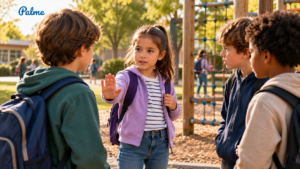
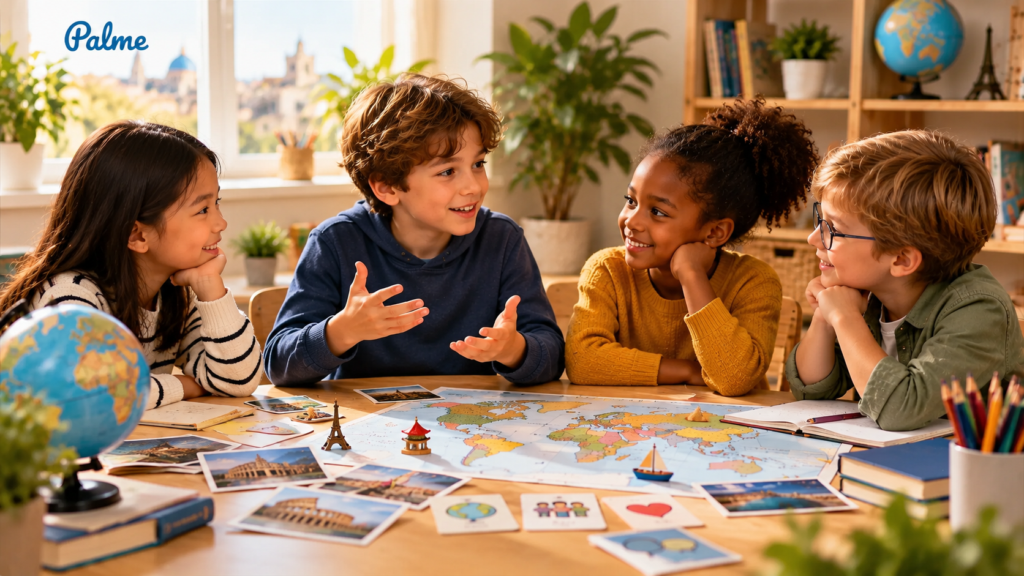
So in Russian he has a seven-year-old’s range and an eleven-year-old’s requirements, and that gap reads as attitude. Vocabulary isn’t the fix. Neither is the Sunday phone call, which asks him to perform in his weaker language for an audience of one adult who loves him, will wait as long as it takes, and never lets a silence get uncomfortable. Wrong room. Raising bilingual children takes situations: the home language used with people his own age, equally in over their heads and equally unwilling to wait. That’s what our lessons for bilingual kids are for. Four other children want the turn, none is his grandmother, and nobody fills in the word he can’t find. Lev finishes the calls himself now. Nothing about his Russian got bigger. That’s what our lessons for bilingual kids are for. Four other children want the turn, none is his grandmother, and nobody fills in the word he can’t find. Lev finishes the calls himself now. Nothing about his Russian got bigger.Frequently asked questions
Usually because the confidence was built in English, in specific situations, over years. The same child in Russian has a younger range and the same expectations of himself, and that gap comes out looking like shyness or attitude.
Not on its own. What is missing is the situations the skills were learned in, which is why practice with children his own age does more than word lists or a weekly call with a patient adult.
Palme School: Russian for bilingual children · Free materials for parents
Lily Rozberg has been teaching for sixteen years, first English in Russia and now Russian to bilingual children across the US and Canada. She writes for Palme School about heritage language, reading, and the things report cards do not measure.