



Alarm clock on Monday. A seven-year-old child answers his mom in English. School is in English. Friends are in English. The whole day is in English. The parents are in despair: «He's losing Russian!» More than a hundred days a year fall on weekends, when it's natural to speak Russian.
Busy parents of children aged 5-12 know the problem: there's no time for «Russian homework.» But there are Saturdays and Sundays, which means fifty-two opportunities a year. We'll show you 3 scenarios for incorporating Russian into your usual weekend routine: breakfast, a walk, or a call to grandma. Choose one and try it this coming weekend.
Russian at breakfast (15 minutes)

Saturday, 9 AM. The table is set. Fritters with honey, chocolate milk, berries, cheese, cottage cheese. Rule: all food must be named only in Russian. No «pass the milk.».
Conversation Outline (3 Steps):
- Dish presentation: «Misha, what should I pour you? Chocolate milk, orange juice, or kefir?»
- What kind of fritters are these today? Fluffy? Sweet? Crispy?«
- More honey? Some cottage cheese? Strawberries on top?«
Results in 4 Saturdays (16 meals):
- Mom, the porridge is creamy, like pudding!«
- Waiter, raspberry tea, please.«
- Knows 20+ words: pancakes, honey, cottage cheese, cocoa, syrup, berries, butter, cheese, sour cream, jam
- Correct forms: «soft tvorog», «sweet syrup», «hot milk»
Why it works: Food evokes emotions. Russian becomes a delicious ritual. Parents eat the same thing, so zero extra effort.
Russian on a walk (20 minutes)
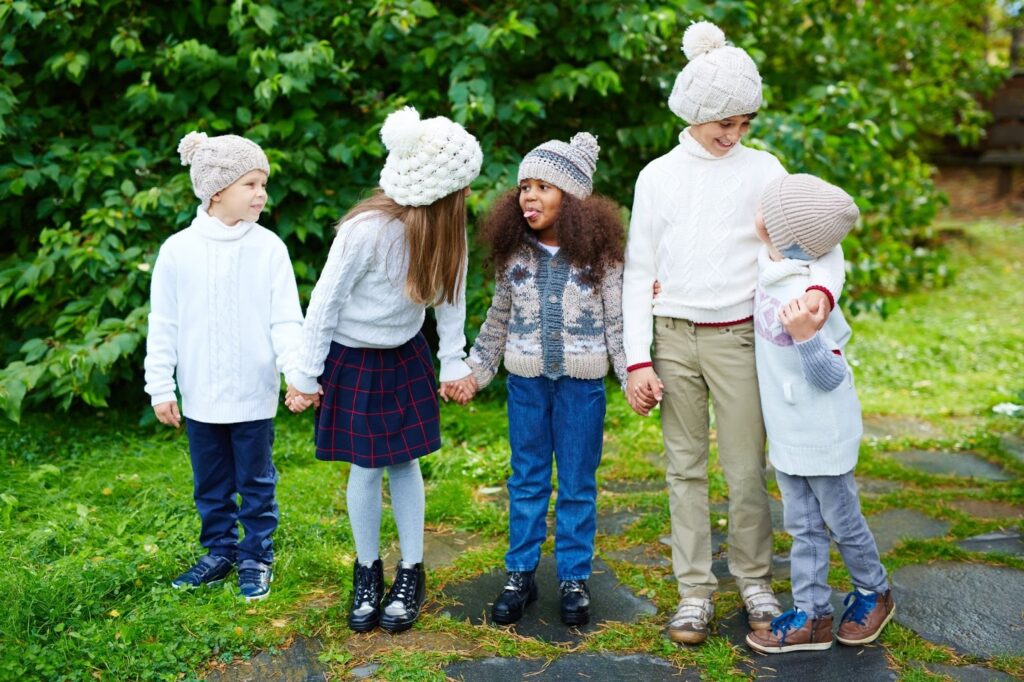
Sunday, park or yard. Leaves are rustling. Wind is blowing. Children are running. Rule: «Who will find it fastest» game. No «let's go play.».
Game Plan:
- Colors: «Who will see the orange leaf first? Blue? Red? Yellow?»
- Weather: «Is the wind strong or weak? Is the sun warm or cold?»
- Counting: «How many birds on the tree? How many swings? One, two, three…»
Result after 4 Sundays (80 minutes of practice):
- Counts to 50 independently: «one, two, three, four...»
- Knows 15 colors: orange, blue, red, yellow, green, brown…
- 10+ animals: birds, squirrels, dogs, cats, ducks
- He suggests: «Mom, let's look for round rocks! A big one and a small one!»
Why it works: movement plus competition. Kids love to beat their parents. Russian becomes a game, not a lesson.
Russian with Grandma (10 minutes)

Sunday, 7:00 PM. Call from Russia. Rule: the child shows the toy or drawing to the camera themselves and says 1-2 words. Grandma answers.
Diagram (step-by-step):
- Show me the item: toy, drawing, craft, scooter
- Color, size, action
- Grandma praised, «How beautiful! Big? Soft?»
Result after 8 calls (80 minutes):
- The child is waiting for a call: «Mom, when will Grandma call? I want to show her my Lego!»
- He says: «Grandma, I was riding my scooter! Really fast!»
- Learns 10-15 words from grandma: toothy, scales, claws, tail, soft...
- An emotional connection arises.
Why it works: Grandma praises unconditionally. Russian evokes positive emotions.
Common Mistakes of Busy Parents
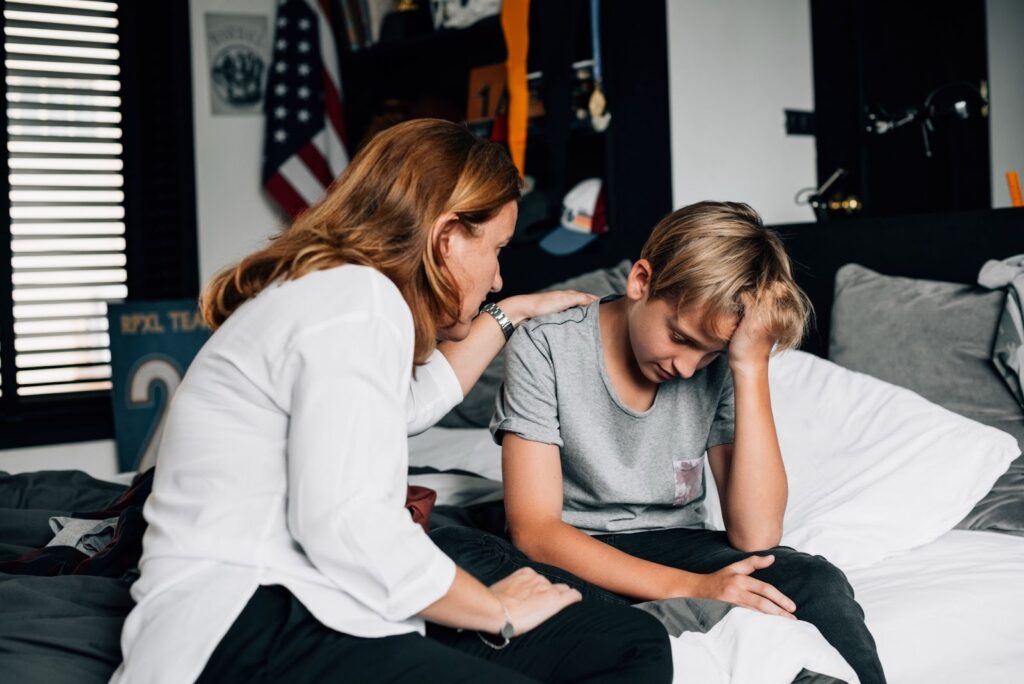
«Russian only at home!» Within a week, a rebellion. The child goes to their room with the iPad.
«30 minutes a day of Russian» turns into 5 minutes of whining. Parents get angry.
Correct: one fifteen-minute ritual provides fifty-two hours of natural practice per year.
Choose one scenario
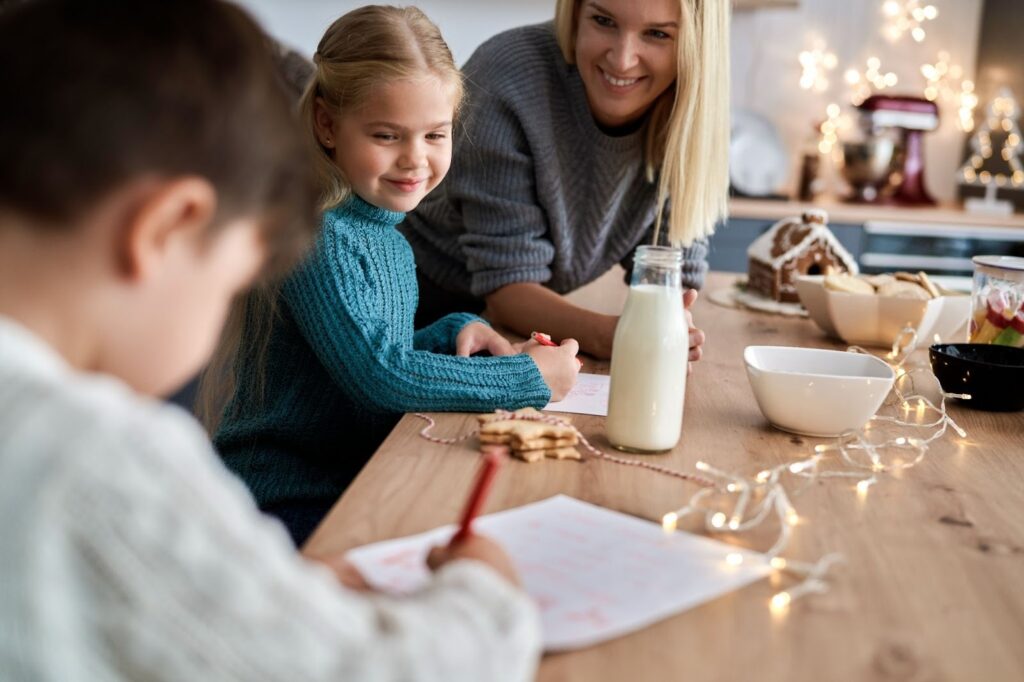
Tomorrow is the weekend. Try exactly one of the three:
- Saturday: Pancake breakfast (15 minutes, kitchen)
- Sunday: Walk in the park (20 minutes, yard/park)
- Evening: call grandmother (10 minutes, couch)
Save the result in your phone's notes:
- How many words did the child say? (5? 10? 15?)
- What did you like? (pancakes/birds/dinosaur?)
- What should I repeat next weekend?
Didn't work out? Come to the lessons.

Did Russian not catch on? Is the child silent or responding through a translator?
Sign up for a trial lesson, and we'll discuss your situation:
- What is the child's temperament type?
- (30? 100? 300?) Which words does it already know?
- Which rituals will work for you?
Russian will fit into the weekend without tears and cramming.