



Tired parents often sigh: the day is already packed, and now there's Russian language homework for children growing up abroad. You want Russian to progress, but not at the cost of evening tantrums and «I hate Russian.» Let's delve into what research says about the benefits of homework, how to organize it without conflict, and how it works at Palme School.
What Science Actually Says About Homework

Research shows that for younger schoolchildren, any «academic tail» after lessons has a very small academic effect, while for teenagers, the benefit is more noticeable. Moreover, the more time a child spends on assignments, the weaker the result, and the higher the fatigue and resistance.
It's not about the number of pages, but the format: short, specific tasks work better than endless «think-about-it» exercises in the evening after school. This is especially true for languages: regular, but manageable practice is more effective than infrequent, but large «cramming sessions.».
Why are Russian homework assignments even necessary?
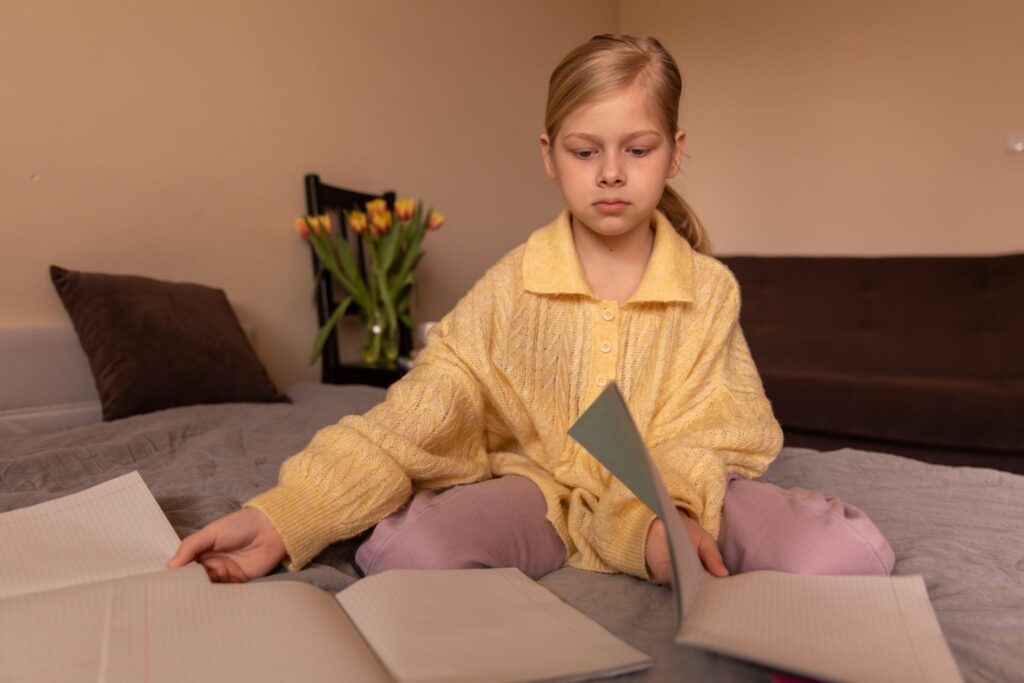
If a child lives abroad, Russian is often Sounds only At home and in class. Homework in this case is a way to give the language another small «contact» during the week so that it doesn't fall out of life between lessons.
A good Russian language assignment helps:
- repeat what was in the lesson at your own pace;
- to reinforce new words and constructions in a different context;
- show the child that Russian is needed not only «in class,» but also in everyday life.
If working from home turns into a multi-page marathon and shouts of «sit down for Russian,» it stops fulfilling its function and only spoils the attitude towards the language.
How much homework is enough

Educational reviews agree on one thing: short, regular assignments are more beneficial than long, infrequent ones. Studies show that students achieve better results when all homework assignments take about 10–20 minutes and are given frequently, rather than an hour «once in a while.».
For a Russian, this can be translated as:
- Younger children: 10–15 minutes of a simple, clear task (read, finish drawing, sign, a couple of sentences);
- Older children: 15–25 minutes of more meaningful work (reading + brief retell, a short text, practicing a specific skill).
If a child regularly spends an hour or more on Russian, it's almost always either too much material, too complex a format, or the parent is doing half the work for them.
How to help your child with homework without constant conflicts
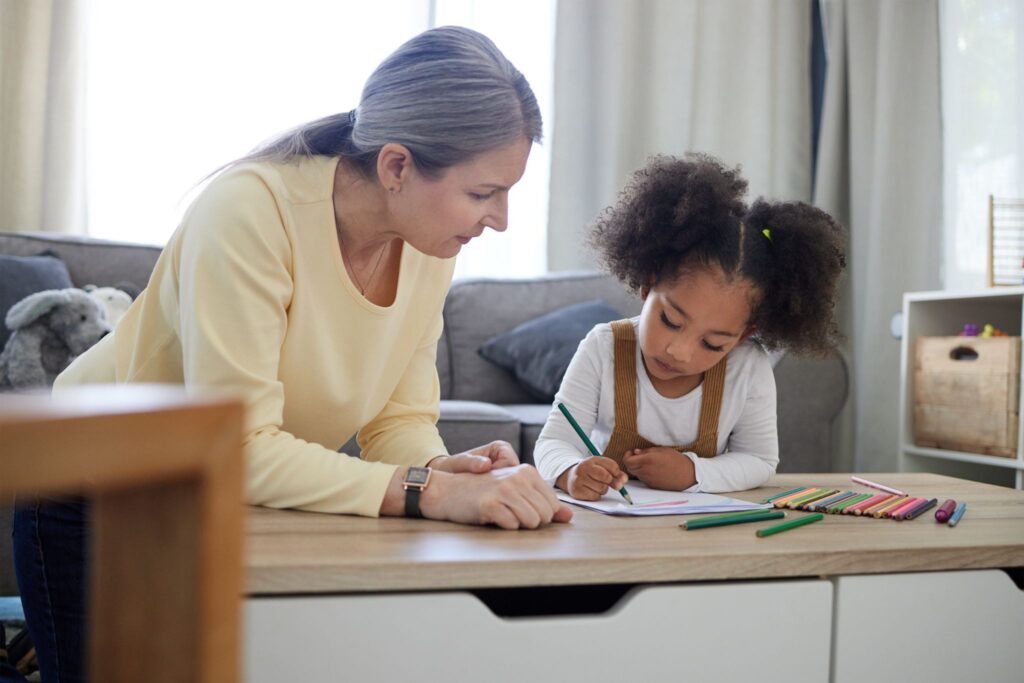
Most often, homework in Russian doesn't cause difficulties with the language itself, but rather a struggle for time and energy. Simple principles help.
- Arrange for a Russian «time slot» in advance.
It's better to set aside a specific time when the child isn't too tired and stick to it, rather than remembering about homework at 9:30 PM. - Do one small task, not five at once.
A large sheet with various exercises is intimidating, while one clear step looks manageable. - Help with organizing, not doing it for the child.
Research shows that when parents do tasks with or for their children, the benefits decrease; it's better to support independence and be «there to help out.». - Connect work from home with real life.
For example, after an exercise with new words, you could ask them to find those words on packaging, in books, or to use them in conversation.
How is homework structured at Palme School?

At Palme School, homework assignments in Russian are intentionally made short and clear so that they can realistically be completed within a busy family schedule. Typically, this involves 10-20 minutes of work that reinforces the lesson's topic and doesn't require a parent to sit beside the child and «translate» the assignment step by step.
The tasks strive to be interesting:
- short texts related to the theme of the week;
- word games, flashcards, mini-projects;
- Tasks that can be integrated into daily life (labeling something at home, telling the family, finding something in a picture).
The goal is not for the child to «work off a quota,» but for Russian to be present a little between lessons and not be associated only with notebooks, but also with life.
Are homework assignments necessary at all

Completely abandoning homework may seem appealing, but for children living outside a Russian-speaking environment, it almost always means even less contact with the language. On the other hand, overload and daily battles over exercises undermine motivation more than a lack of assignments.
The golden mean looks like this:
- Short, clear tasks;
- regularity, not «every once in a while»;
- Emphasis on real-world language use, not line count.
At Palme School, homework assignments are just like that: small, meaningful, and manageable. If you want to see how it works in practice, you can sign up for trial lessons and assess how your child handles homework and Russian at home without unnecessary stress.