
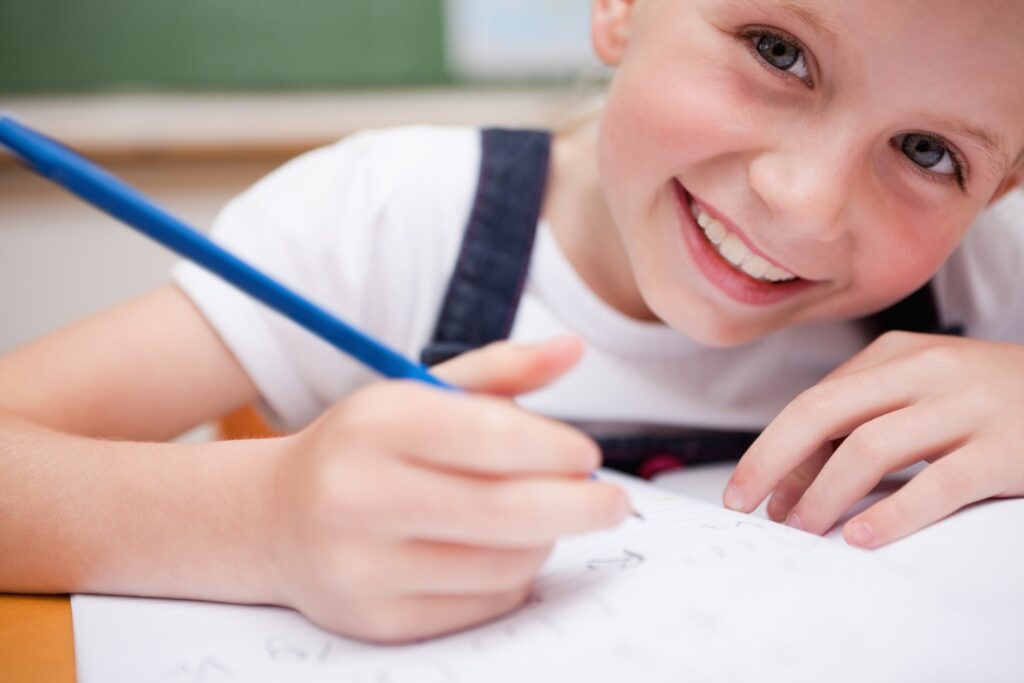

In April, Pennsylvania schools will return to cursive. A law was passed in February mandating handwriting as a required subject alongside reading, history, and math. The requirement applies to both public and private schools.
Pennsylvania abandoned cursive in the early 2010s when it transitioned to Common Core standards. Previously, the focus was on keyboarding.
What is this needed for?
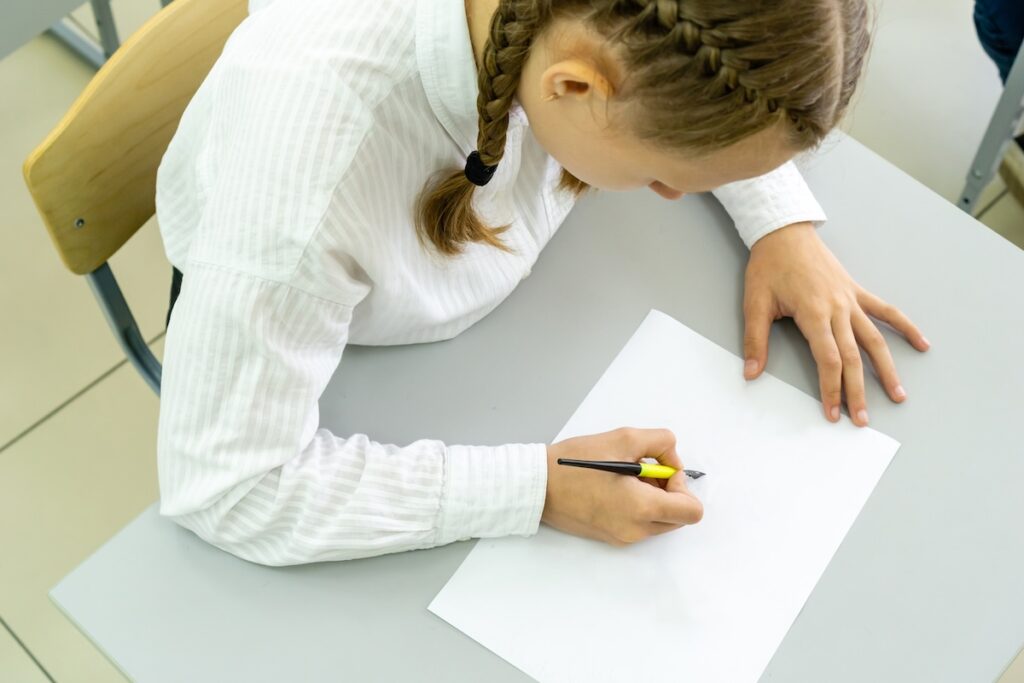
According to the publication Axios, research has shown that handwriting improves memory and develops motor skills. Special education expert Sean Dutcsh explains it more simply. When a child writes in cursive, they learn to connect letters and memorize the spelling of words. This is the foundation of literacy, which affects how a person formulates thoughts in the future.
Datchuk adds an argument about spellcheckers. Automatic spell checking only works when the writer has at least a rough idea of how the word looks. Without that, it's useless.
Republican Dane Watro, who introduced the bill, says otherwise. Italics are needed so people can read historical documents in their original form. The US Constitution is given as an example.
How does this look in practice
Many Pennsylvania schools did not drop cursive. Pittsburgh public schools taught it even after the standard was removed. Pine-Richland School District includes cursive in the second grade and has no plans to change it.
The New Kensington-Arnold district reviewed its curriculum in February to add cursive. The subject can be added in first or second grade.
Pennsylvania isn't alone. According to NPR, more than two dozen states have already required schools to teach cursive.
Philadelphia elementary school teacher Dawn Hiltner, to put it briefly, states that some educators just have a yearning to go back to a time when things were a little simpler.
At Palme School, we're teaching children to write by hand. This is an important skill that individual states now recognize.