

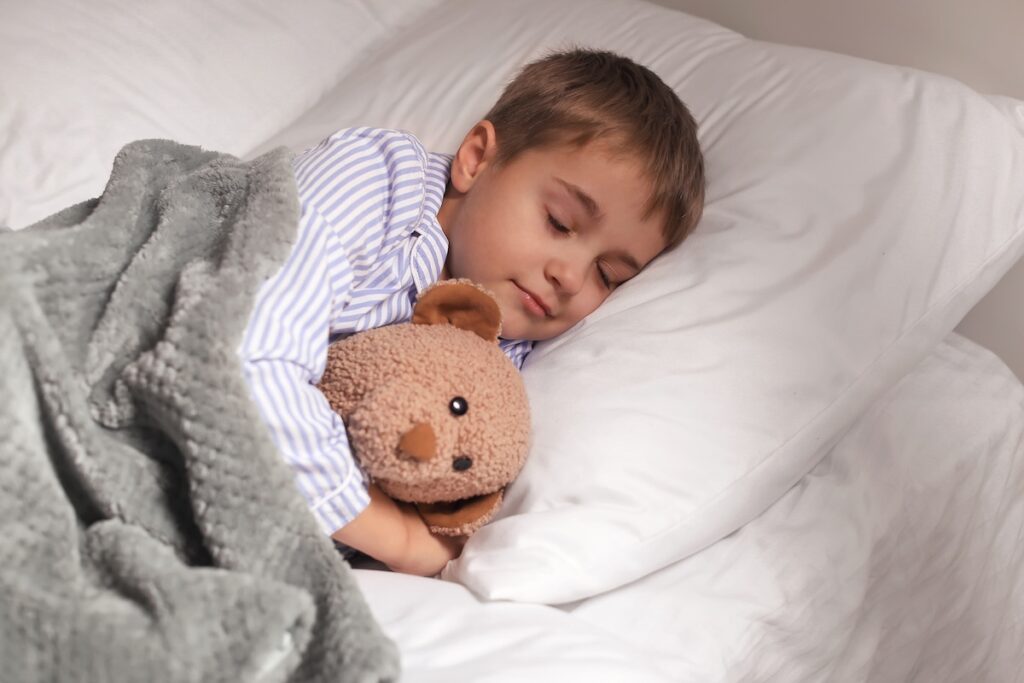

Quality sleep is the foundation of a child's health and development. However, many parents do not fully understand how many hours of rest their baby really needs.
Modern children sleep 1-1.5 hours less than the recommended norms. And very often it affects their mood, academic performance and even physical development.
What are the sleep norms for children? How to identify rest deficits and how to help your child get a stress-free night's sleep?
Benefits of sleep for the baby
- During sleep, a child's brain actively processes the information received during the day. Therefore, children who have slept well learn lessons and new information better.
- Growth hormone is produced mainly during the deep sleep phase. Lack of sleep in young children can slow physical development.
- Sleep strengthens the immune system. The body produces cytokines, proteins that fight infections.
- A tired child becomes irritable more quickly and has less control over emotions. A child's regular sleep schedule creates predictability that calms the nervous system and reduces anxiety. And evening rituals before bedtime are a great opportunity to strengthen intimacy with the child.
Sleep norms by age
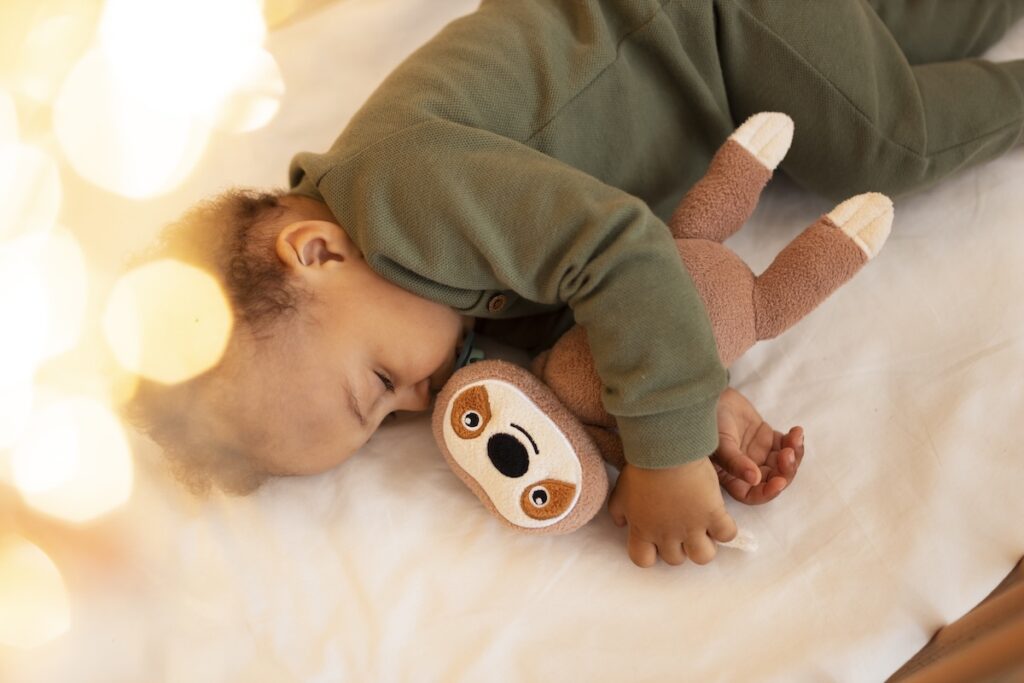
The official recommendations of the American Academy of Pediatrics and WHO provide clear guidelines for sleep duration. The total of night and daytime rest is taken into account:
0-3 months.
14-17 hours a day. Sleep is fragmented, the child wakes up every 2-3 hours for feeding.
4-12 months.
12-16 hours. Night sleep lengthens to 9-11 hours, 2-3 daytime naps of 30 minutes to 2 hours are added.
1-2 years.
11-14 hours. Usually one daytime nap of 1.5-3 hours and 10-12 hours at night.
3 to 5 years old
10-13 hours. Daytime sleep is maintained until 4-5 years of age (1-2 hours), night sleep - 10-11 hours.
Ages 6-12
9-12 hours of exclusive night sleep. Daytime rest is no longer necessary, but is acceptable in case of severe fatigue.
13-18 years old
8-10 hours. Because of shifting biorhythms, teens tend to fall asleep later, but early rising for school often leads to chronic sleep deprivation.
Signs of sleep deprivation and how to make up for it

Sleep deprivation in children is indicated by:
- tantrums for no apparent reason
- concentration difficulties
- hyperactivity
- frequent colds
- dark circles under the eyes
- falling asleep in the car or watching cartoons
What's stopping you from getting a good night's sleep?
Gadget screens an hour before bedtime suppress the production of melatonin, the sleep hormone.
Bedtime snacking, especially sweets, disrupts the quality of rest.
Noise, lights in the room, and uncomfortable temperatures also reduce the depth of sleep.
Healthy Sleep Checklist
✓ Going to bed at the same time
✓ Last meal 1.5-2 hours before bedtime
✓ Gadgets put away an hour before resting
✓ Bedroom ventilated, temperature 18-20°C
✓ There is a quiet evening ritual (20-30 min)
✓ Baby wakes up on his own without an alarm clock
Healthy sleep is the best investment you can make in your child's development. By investing in your child's sleep patterns today, you will have an alert, balanced and successful person tomorrow.