
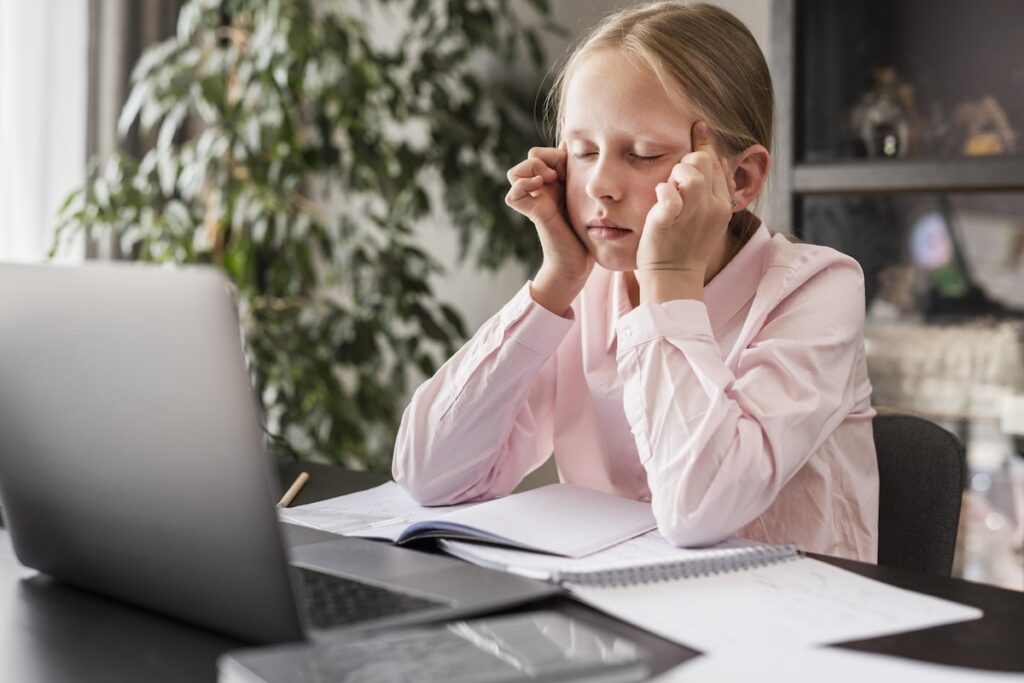

Many parents think, where can fatigue in a child come from? He sleeps a lot, he does not go to work and he has no responsibility. However, fatigue in a child does not only arise from this.
Today's modern child is faced with daily:
- cognitive load: homework, lessons, homework assignments
- social challenges: socializing with peers
- emotional distress: fears, anxieties.
- physical activity
All of this requires energy. And a child's nervous system is not yet very resistant to stress.
The reasons for child fatigue often lie in an overloaded schedule. Sections after school, extra classes on weekends, a constant stay in the mode of «must have time». Even active recreation without periods of quiet exhausts the child.
A child is not being cranky when he says he is tired. He is honestly signaling overload.
How to recognize fatigue in a child
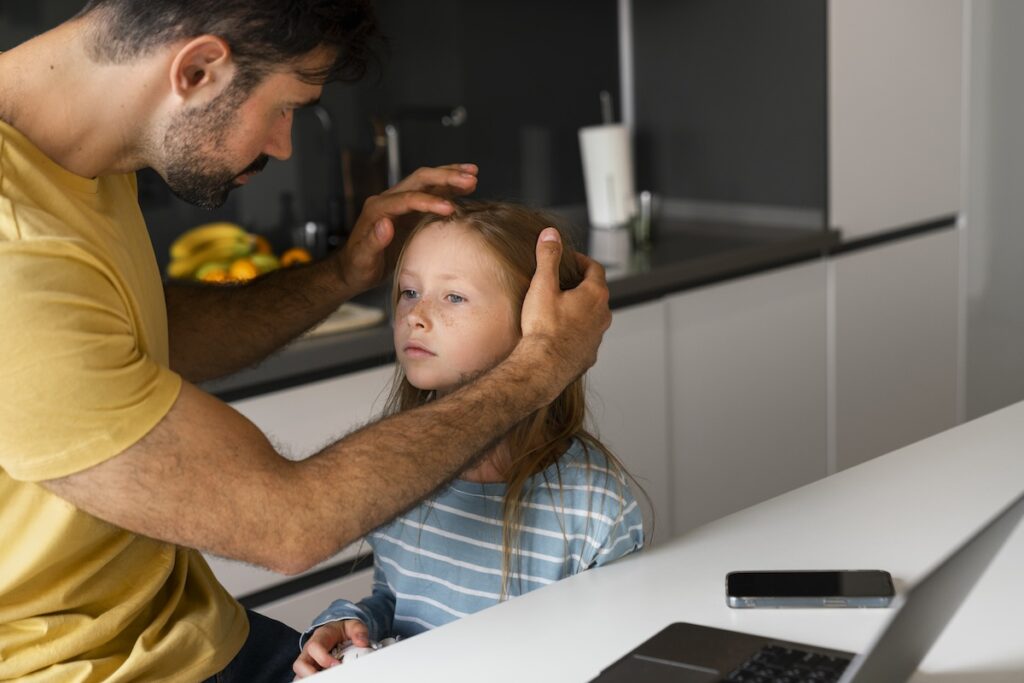
Fatigue in children manifests itself differently than in adults. The child may not say it in direct words, but may show it in behavior. Observe the changes carefully.
Checklist: signs of child fatigue
✓ Irritability over small things, outbursts of aggression
✓ Decreased concentration: can't follow through on things
✓ Frequent complaints of headache or abdominal pain
✓ Apathy, giving up favorite activities without explanation
✓ Sleep disturbance
✓ Increased tearfulness, emotional instability
✓ Reduced appetite or, on the contrary, «eating» stress
✓ Regression in skills
If you notice 3+ signs within a week - the child is overwhelmed.
Physical fatigue and how to deal with it
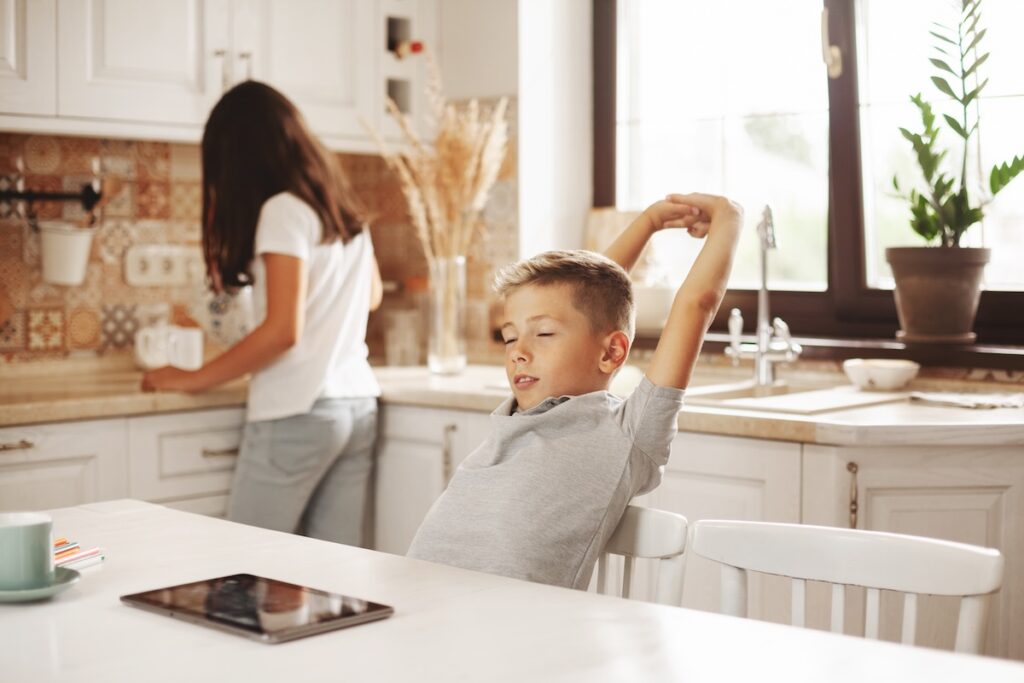
Physical fatigue occurs with lack of sleep, poor diet, or excessive movement.
How to restore a child's physical strength:
- Provide a sleep schedule. 10-11 hours for elementary school children, 9-10 hours for teenagers. Going to bed at the same time, even on weekends, stabilizes biorhythms.
- Include foods with slow carbohydrates and protein in your diet - they provide enough energy for your daily exertion.
- Alternate activity with passive rest for children. After an hour of running on the playground, 20 minutes of quiet play or reading.
- Do not forbid idleness. Free time is a necessary reboot of the nervous system.
Emotional fatigue
Emotional fatigue is more dangerous than physical fatigue.
A tired child avoids school, loses interest in previously favorite activities. The reasons may be pressure from parents and environment, conflicts in class, fear of not living up to expectations.
- To help your child relax, lower the moral load and the degree of expectation from your child. Do not pressure him or her to get only the highest results.
- Create a «no grading zone» at home. Let your child make mistakes and be less than perfect with you.
- Teach him that it's okay to express his emotions.
Quick ways to regain your strength
When a child is clearly tired of the «here and now,» express methods will help:
Breathing pause
4 seconds inhale, 4 seconds hold, 6 seconds exhale. Repeat 3 times. Calms the nervous system in a minute.
Tactile contact
Hug your child tightly for 20 seconds. Touching reduces stress hormone levels.
Change of scenery
Go out to the balcony for some fresh air or just to another room. A new visual background «reboots» the brain.
Warm drink
Chamomile tea or warm milk with honey (if not allergic) give the body a signal: «it's okay to relax».
The child should not get used to feeling exhausted. Sometimes the solution is not «more discipline», but boldly reducing the load and creating space for recovery.