



Many parents of bilingual children worry about accent: their child speaks Russian «not quite like us,» elongates intonation, «swallows» sounds, or sounds a bit foreign. They want to understand if this is a serious problem, «spoiled Russian,» or a normal feature of living between two languages. Below, we will examine what speech therapists and linguists consider within the norm, when you can relax, and in which cases it is still worth showing the child to a specialist.
What is a «childish accent» in a bilingual person

In children who grow immediately In two languages, speech almost always differs from the speech of monolingual peers. Often this is not a «mistake» but what specialists call phonetic interference: one language slightly «highlights» the other in sounds, rhythm, intonation.
What could this look like:
- unusual intonation, a melodic phrasing that sounds «foreign»;
- Fricative or stop assimilation in second language patterns;
- A slight accent in one of the languages, especially on an unfamiliar topic or when nervous.
For most bilinguals, a slight accent in one or both languages is considered normal, while speaking «completely without an accent» is actually rare.
When the accent passes on its own
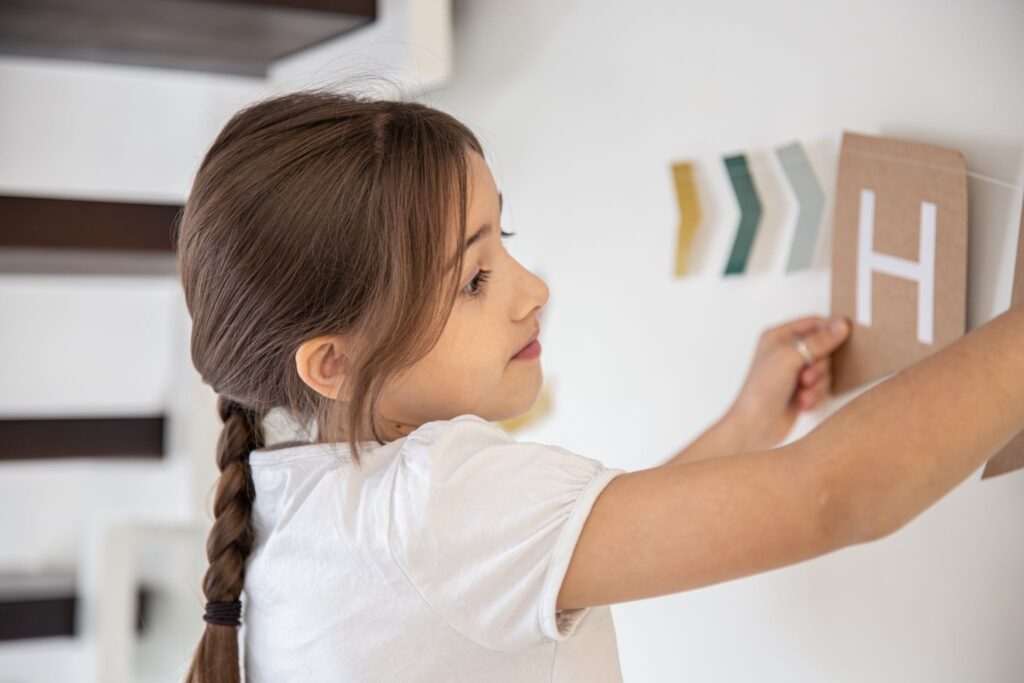
A child's speech actively changes until around 10–12 years old: their vocabulary grows, new topics emerge, and grammar and pronunciation become more refined. This is especially noticeable in bilingual children if they have sufficient «live» communication in the language: they hear a lot, speak themselves, play, and read aloud.
It often happens that:
- In preschool, a noticeable accent, whether «soft» or «foreign,» can be heard.;
- When immersing yourself in an environment (trips, camps, regular lessons with a teacher), after a few weeks or months, your pronunciation becomes closer to the local norm.;
- By adolescence, many children learn to «switch» their pronunciation depending on their surroundings: in one group, they speak more «Russian-like,» while in another, they are closer to the English or local norm.
Speech therapists note, that a slight accent, with preserved overall speech and normal development, is not considered a reason to «break» a child's sound by sound.
When the accent is just the tip of the iceberg

There are situations when other issues can be hidden behind an «accent,» and this is precisely when a speech therapist's consultation is needed. You should pay attention if:
- It is difficult to understand a child, not only for speakers of other languages, but also for close adults.;
- he often omits syllables, «ruins» the structure of words, and heavily distorts many sounds;
- The child's speech is noticeably different from that of their peers: few words, very simple phrases, the child avoids speaking.;
- After 5-6 years, a large number of difficult-to-distinguish sound distortions, stutters, and stuttering persist.
In these cases, accent may not be the main problem, but rather a signal that the language system as a whole needs support. It's better not to wait for it to «resolve itself» and to talk to a speech therapist who knows how to work with bilinguals.
Is it necessary to «get rid» of an accent at all costs?
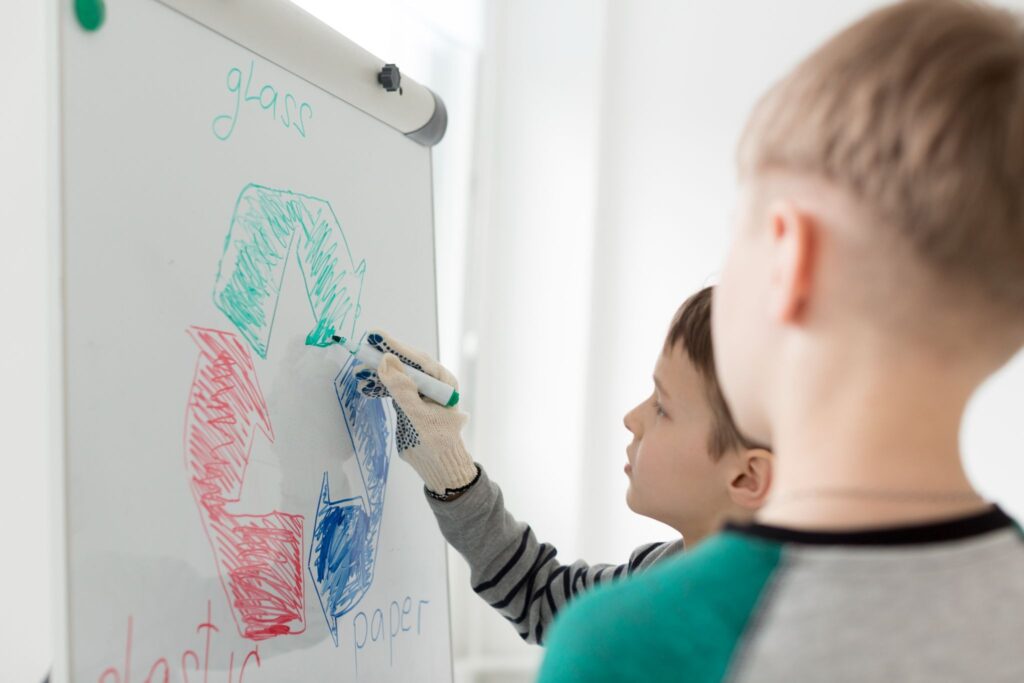
From a linguistic perspective, an accent in itself does not make a language «worse»: it simply indicates that the child lives within multiple systems simultaneously. More important for communication is that the child is understood, and that they don't feel shy about speaking.
What definitely doesn't help:
- constant remarks «speak normally,» «people don't say it like that in Russian»;
- Mocking of intonation or individual sounds;
- comparison with «proper» children without an accent.
Much more useful:
- Provide the child with more quality auditory experiences in Russian (reading aloud, audiobooks, live conversation);
- Maintain their desire to speak, rather than interrupting every phrase due to pronunciation;
- to target and practice difficult sounds in the game, if it hinders understanding.
What do Palme School teachers do about pronunciation?
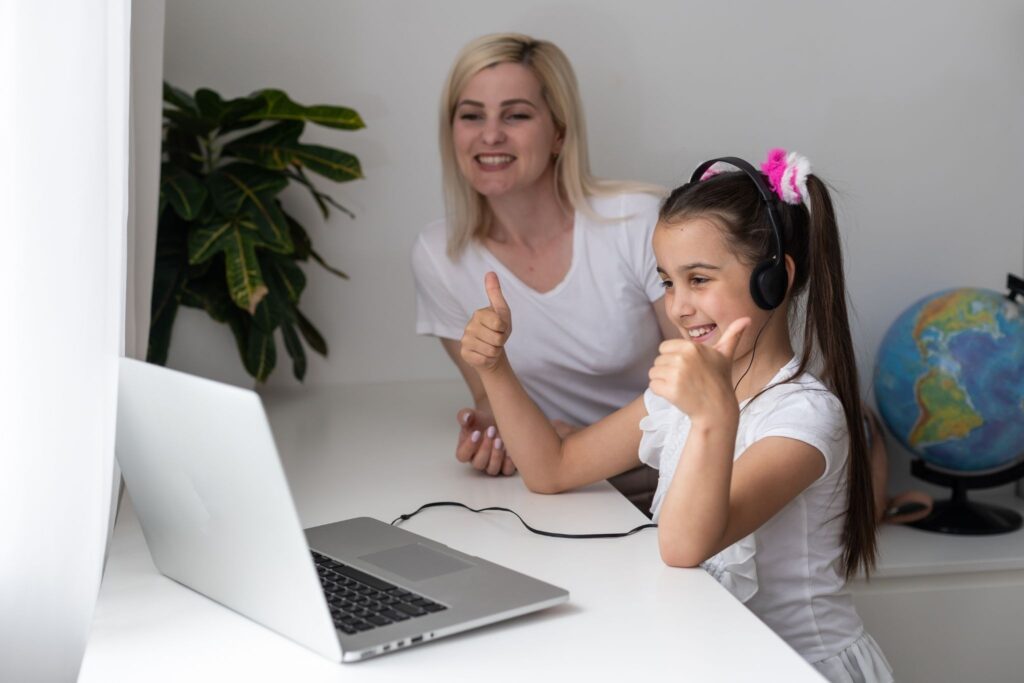
At Palme School, teachers pay attention to the sound of Russian speech from the very first lessons, but without turning it into constant «red pen» corrections. The lessons include articulation warm-ups, games with sounds and speech rhythm, reading aloud, and discussing what was heard – all of this helps to gently improve pronunciation without pressure.
If a child has more significant speech characteristics, the teacher can gently recommend a consultation with a speech therapist and adapt exercises to support both the child's language and self-confidence. For most children, an accent remains as natural a part of bilingualism as having two passports or two grandmothers in different countries.