
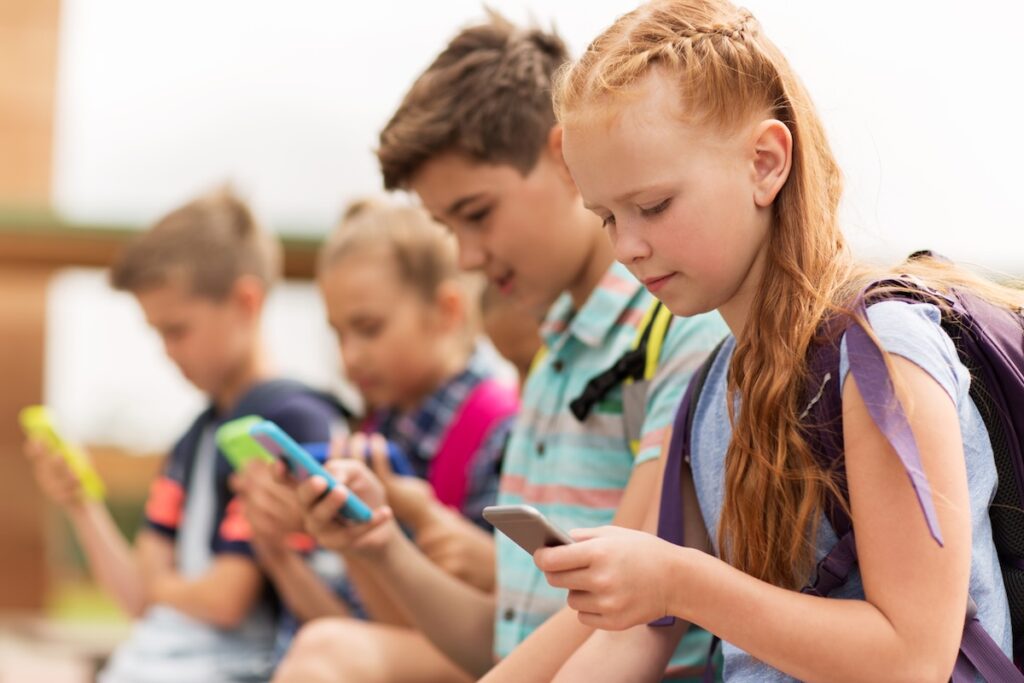

A growing number of educational institutions in the U.S. and other countries stop allowing gadgets to be used at school during lessons. A child can take a smartphone with him or her, but it must stay in the briefcase or in a special compartment until the end of lessons.
Why do schools do this? Teachers have long noticed that once a phone is on the desk, a child's attention span is scattered. Every few minutes he or she grabs the screen: to answer a chat, to look at notifications, to scroll through the feed. This affects the main thing - learning the material. The child hears the teacher's words, but does not memorize them.
It takes twice as long to do homework, and grades gradually decline. When the gadget is put away, the brain can finally concentrate on what the child came to school for - learning.
What the research confirms
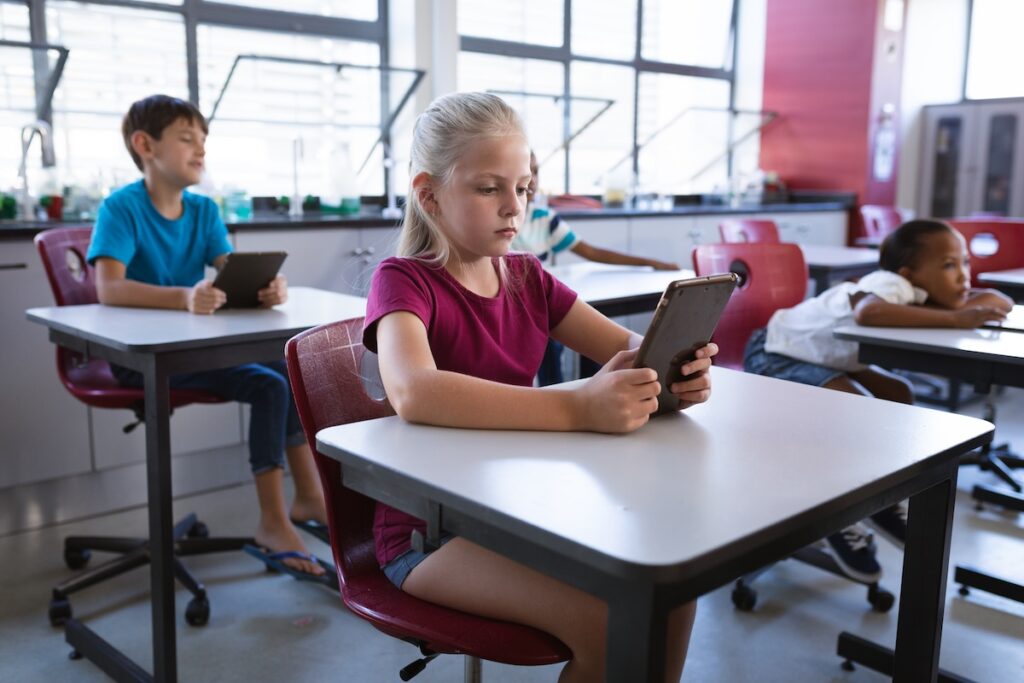
Specialists have analyzed the experience of hundreds of schools, where they have introduced clear rules for handling phones.
The results were encouraging: after the introduction of restrictions, grades became higher, especially for those pupils who used to lag behind. During breaks, children no longer sit alone with screens. Instead, they talked to each other, They started playing games of movement. The classrooms became quieter and calmer: less fighting because of texting, gossiping, and liking.
Even discipline has improved - children skip classes less often and break rules less often. In other words, the ban works not as a punishment, but as a support: it helps the child to concentrate and learn without constant distractions.
What are the dangers of constantly sitting in the screen
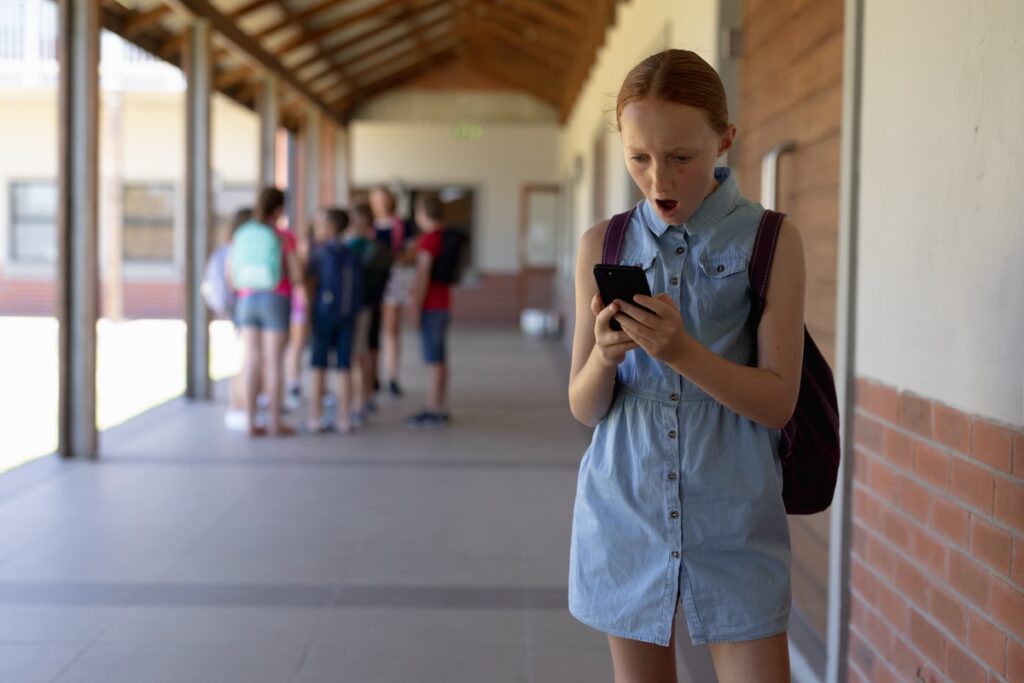
The problem is not just bad grades. Prolonged influence of screens on children affects their well-being. Those who spend a lot of time with a gadget in their hands are more likely to complain about:
- watering and tired eyes
- frequent headaches
- trouble falling asleep
Teenagers stay up late on their phones, and in the morning they get up sleep-deprived and irritable. Psychologists add: the longer a child «hangs out» on a smartphone, the more often he or she has anxious thoughts and the feeling that he or she is alone in the world. Therefore, limiting screen time at school is a concern for the health of schoolchildren. Four to five hours without a gadget gives the eyes, brain and nerves the necessary respite.
Technology in the classroom
It is important not to confuse that banning personal phones is not a rejection of all gadgets. Digital learning is still part of the modern school. In computer science, when preparing projects or researching materials, children work with tablets and computers. But under the supervision of a teacher and with a clear learning objective.
A tablet to solve a problem and a phone for scrolling through social media while explaining a new topic are very different things. At the same time, children can always call their mom in case of need or use the device at the teacher's request to complete a task.
Ultimately, limiting gadgets is not about bans. It's about the chance to hear the teacher, to talk to your classmates without a screen between you, to feel like a child. And at the same time learn to treat technology as a tool, not as an extension of your own hand.