Today, more and more parents and teachers are asking the question: how can children learn Russian if traditional textbooks cause resistance and motivation drops after the first assignments? The answer is in the most interesting area for children - video games.
How do video games help you learn a language?
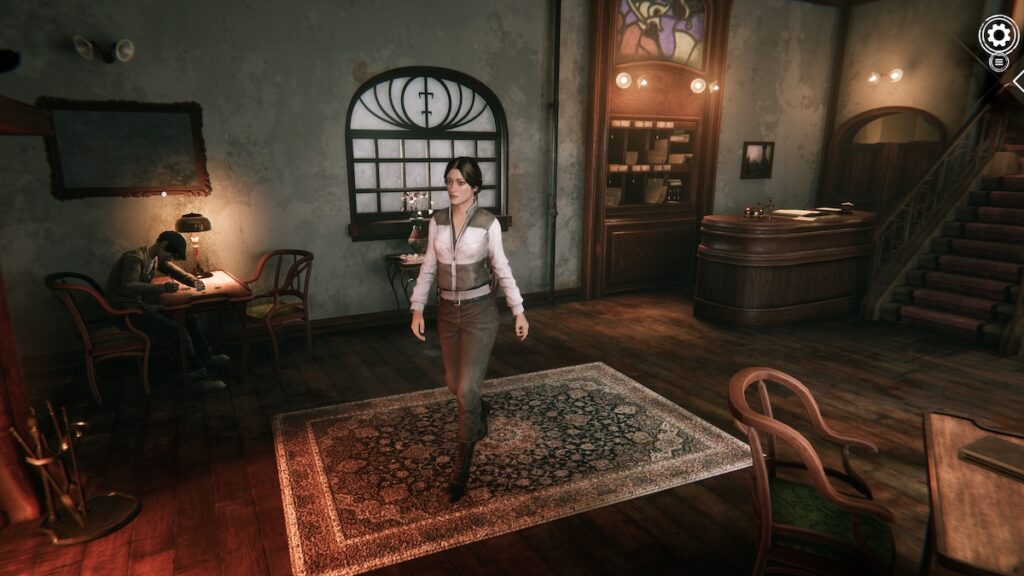
Video games help you immerse yourself in the language environment. Even if a child plays for 30 minutes a day. Unlike learning exercises, in a game children see the language in action: characters speak, menus require reading, tasks require understanding instructions.
The immersive effect in the interface, dialogs, and tooltips forces the brain to process Russian as a tool rather than an object to be memorized.
It is especially effective if Russian voice-over is enabled in the game. The child hears live intonation, rhythm of speech, conversational turns.
The child does not «memorize words», but achieves the goal - to pass the level, to find an object, to save a character. Language becomes a means, not an obstacle.
For bilinguals growing up in an environment where Russian is the «language of the home,» games are a powerful tool for maintaining an active vocabulary. They compensate for the lack of communication with peers and make Russian the «language of adventure», not just of responsibilities.
What Russian language skills are developed through games?
| Skill | How it's shaping up in the game | Case studies |
| Reading | Menus, tasks, dialogs, instructions, item captions | The child reads on his own, «Find the key to the tower», «Talk to the blacksmith», «Activate the mechanism» |
| Listening | Character dialogs, voice prompts, sound effects | Recognizes by intonation: «Watch out!» (warning) vs «Good job!» (praise) |
| Vocabulary | Objects, actions, emotions, occupations, natural phenomena | Memorizes: sword, potion, sorcerer, dungeon, hide, escape |
| Speaking | Character repetition, role-playing, plot discussion | Starts using, «Let's go together!», «I'll try», «It's hard, but it can be done!» |
Important: even if the child does not know grammar, he or she intuitively learns the structure of language: «I found», «Are you coming?», «He said that...». This is the basis for future formal learning.
What games should I play to learn Russian?
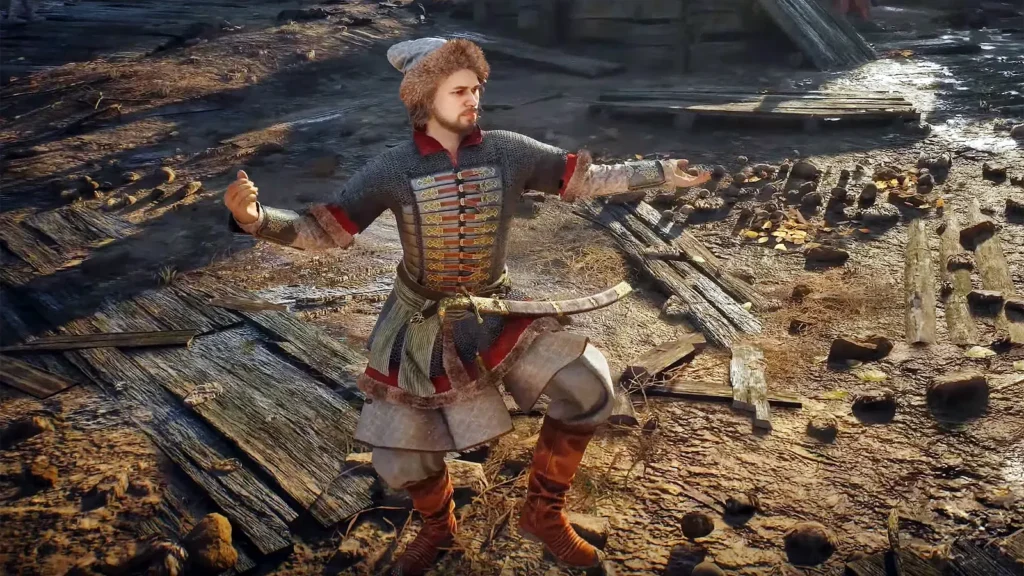
Not all games are equally useful. It is better to choose those where there is a lot of dialog, clear plot and high-quality Russian voice-over in the game. Here are the proven options:
| Game | Age | What it teaches | Features |
| Syberia / Syberia 2 | 10+ | Logic, everyday vocabulary, emotions | Calm atmosphere, long dialogues, minimum violence. Excellent for Russian for bilinguals. |
| TES: Skyrim (with Russian localization) | 13+ | Rich vocabulary (history, mythology, nature), action verbs | Lots of NPCs, different accents, dialogs with choice answers - trains understanding and reactions. |
| Ratchet & Clank (R&C: Rift Apart) | 8+ | Humor, colloquialisms, commands | Bright voiceover, dynamic lines, lots of repetition («Jump!», «Shoot!», «Forward!»). Suitable for Russian for kids online - lots of discussions on forums. |
| «Smuta» (Russian indie game) | 12+ | Historical vocabulary, etiquette, Old Slavicisms | Unique: entirely in Russian, in an authentic 17th century environment. Immerses you in the language and culture. |
| Lingumi / Gus on the Go (educational) | Ages 4-8 | Basics: colors, numbers, animals, verbs | Specially designed for learning through games. Minimal text, maximum sound and interactivity. |
Tips for parents
- Turn on the Russian voice in the game. Even if the child doesn't understand right away. Passive listening works too.
- Discuss the story after the game: «Why did the hero do that?», «How would you respond?» - This moves the language from passive to active.
- Do not demand that every word be translated. The goal is to understand the meaning, not to parse it verbatim.
- Use games as a supplement, not a substitute. Video games for learning Russian are effective in conjunction with live conversation, books, and songs.
Russian through video games is not an escape from learning, but a supplement to it. When a child says «I passed the quest!» in Russian, he is not just bragging. He is proving that the language is alive, and he is part of it.