
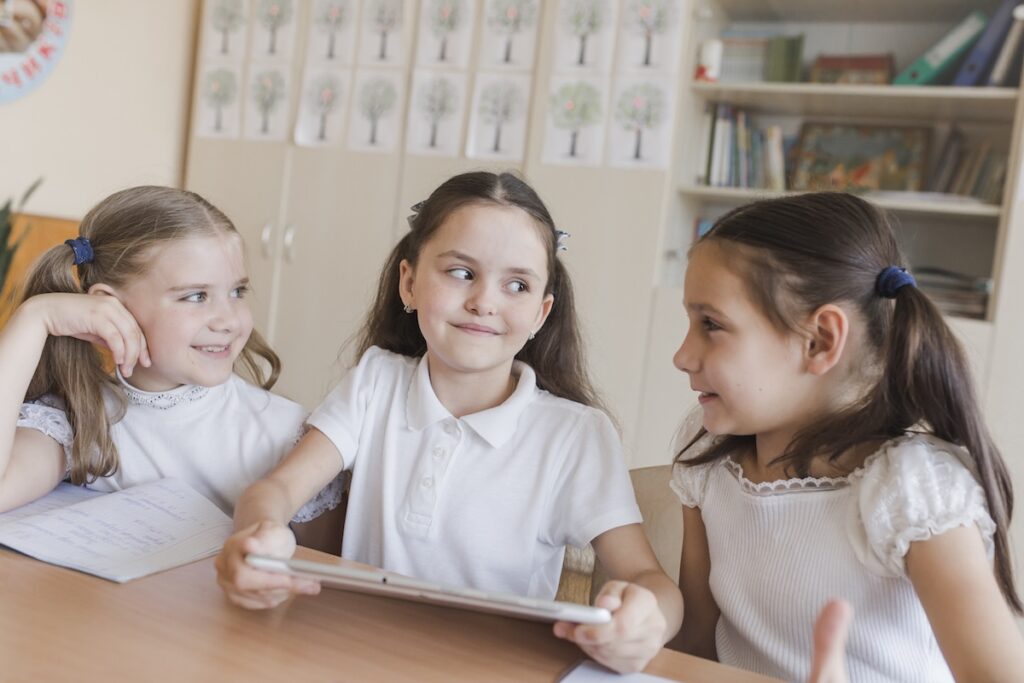

The Russian language is not just a means of communication, but a powerful tool for shaping a child's personality, logic and emotional intelligence. Already at preschool age children learn through speech:
- To express desires
- Make cause and effect connections
- Distinguish between the nuances of feelings
- To understand the world around us
Russian language lays the foundation for cognitive, social and creative abilities in a child.
When a child masters speech, he does not just memorize words - he learns to think. The grammatical structure of the Russian language, the richness of synonyms, the flexibility of word formation develop analytical thinking. For example, to correctly match the ending of a noun or verb, the child must take into account the gender, number, case. This trains attention and memory.
The Russian language is highly imaginative. Thanks to metaphors, proverbs, fairy tales and poetry, children learn to perceive the world in a multifaceted way, develop imagination and empathy.
How to support speech development in today's world
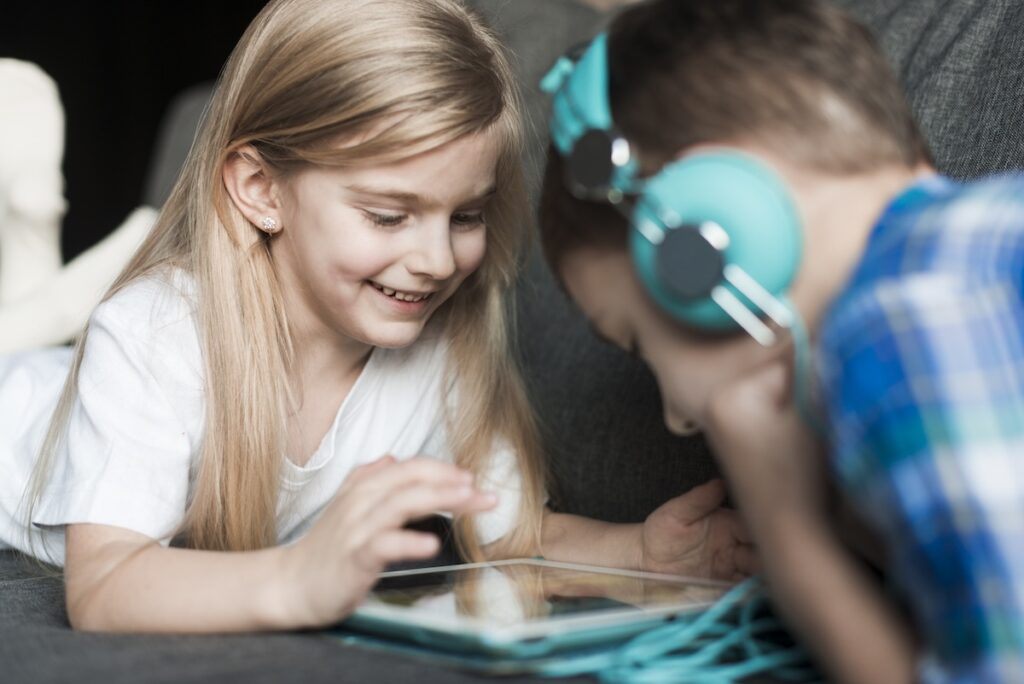
Children today spend more and more time in front of screens, where speech is often reduced to slang. In such conditions it is especially important to create conditions for lively communication. Simple actions have a huge impact on the formation of speech.
Word games are especially useful for preschoolers. For example, riddles, rhymes, making up stories based on pictures. They develop vocabulary and confidence in expressing thoughts.
In elementary school, the emphasis shifts to literacy, but don't forget about the creative side. Let the child write letters to Santa Claus, make up a sequel to a fairy tale, or talk about his or her day. This strengthens the link between thinking and speaking.
If another language is spoken in the family, but the parents want the child to know Russian, it is important to systematically practise Russian for children. This can be either attending specialized courses or regular lessons at home. It is especially effective to combine live communication with quality materials: audio stories, cartoons in Russian, children's magazines.
Online learning opportunities

Modern technology is opening up new horizons for of learning Russian online. There are platforms with interactive assignments, audio lessons, games and even virtual student partners. For students, this can be a great supplement to the school program, especially if there are gaps in knowledge.
However, it is important to remember that online courses are not a substitute for live communication. A child needs dialog - the opportunity to ask questions, get feedback, hear the intonation and see the facial expressions of the interlocutor. Therefore, even when using digital resources, parents should be actively involved in the process. Discuss what they have learned, do tasks together, read books aloud.
In addition, not all online materials may be appropriate for the age and level of the child. When choosing resources, pay attention to the methodological basis. A good Russian language course for children is always based on the principles of developmental learning.
Language is the foundation of the future

Russian language study - is an investment in a child's future. Good speech helps a child to study successfully, make friends easily, speak confidently in front of the class and, eventually, build a career. But most importantly, it is through the mother tongue that the inner world is formed. The ability to feel, empathize, dream and think deeply.
Therefore. speech support - is one of the most important tasks for parents and teachers. It does not require complex methods, but it does require attention and patience.