

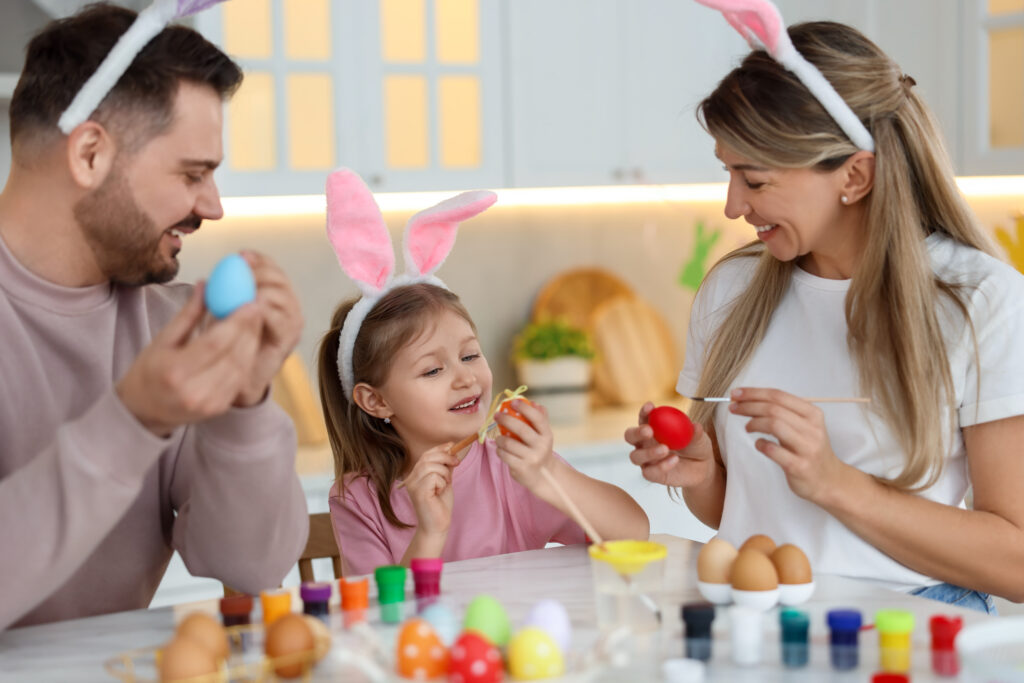

For children growing up outside of Russia, their idea of «Russian» is primarily shaped by what happens in their family. They absorb some things themselves: food, habits, family jokes. Some things a child picks up on their own, while other things they won't learn about without an adult conversation.
You can start the conversation with spring holidays: this makes it easier to move on to the topic of Russia and family. And because through the holidays you can show things that are difficult to describe in ordinary words. For example, how life is organized in the country from which the family has come. What is important to the people there. Why grandma dyes eggs every year. Why grandpa is silent every year on the ninth of May.
The three main spring holidays in Russian tradition are Maslenitsa, Easter, and Victory Day. Each has its own history, set of customs, and meaning. All of this can be explained to a child calmly, without pomposity or tediousness.
Maslenitsa: The week when winter is seen off with blini

Maslenitsa is a convenient holiday for starting a conversation. It is understandable, fun, and «tasty.» Maslenitsa is usually celebrated at the end of February or the beginning of March. The date changes every year. The holiday lasts for a whole week.
The main idea is simple. People are saying goodbye to winter and waiting for spring. The symbol of Maslenitsa is blini. They are round and golden, resembling the sun. On the last day of Maslenitsa in Russia, a straw effigy is burned. It represents winter. This is how people, as it were, help it to leave.
To a child abroad, such a story may seem strange and fairy tale-like. This is normal. We can say that Maslenitsa is a very ancient holiday. It appeared before Christianity and is older than modern Russia. People used to believe: if you spend winter well, spring will come faster. Now almost no one believes in this literally. But the tradition has remained, because it is pleasant and unites people.
What you can do with a child
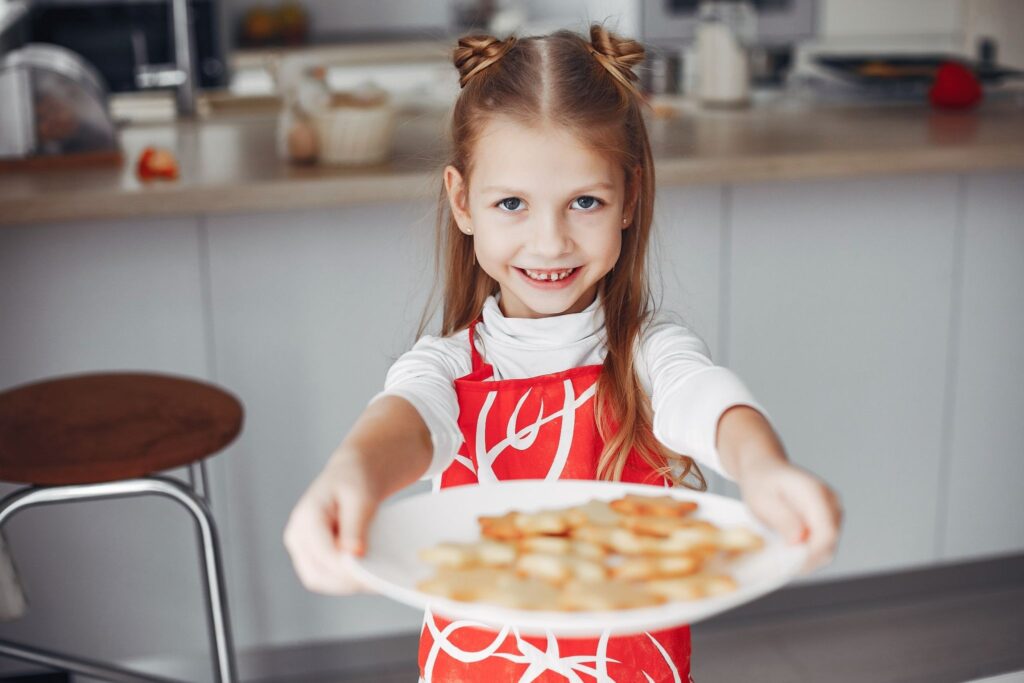
Bake blini together. It's a simple activity that inherently creates a festive atmosphere. While you're cooking, you can talk about how Maslenitsa was celebrated in your family. What fillings did your grandmother like? Did you ever go to Maslenitsa festivities?.
If the child is young, they might like the idea of a scarecrow. You can draw one or make one out of paper. If the child is older, you can show them videos of Maslenitsa celebrations from Russia. They have costumes, round dances, and fire.
Easter: More Than Just Dyed Eggs
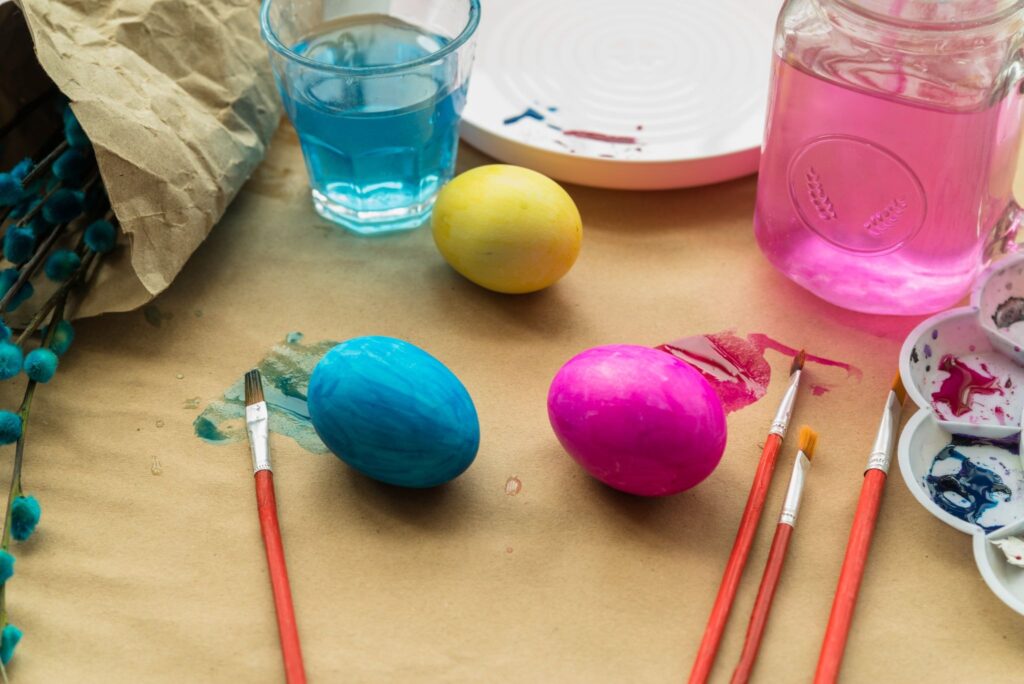
Easter in Russian culture is both a religious and a family holiday. Even in families where no one goes to church, people often bake kulich, dye eggs, and say «Christ is Risen» to each other. It's a tradition that lives not only through faith. It's passed down through habit and a feeling of «it's always been this way.».
You can tell the child about the religious meaning and the everyday meaning. Choose what is closest to your family.
If you want to explain the religious side, you can say it like this: Easter is the main holiday for Christians. Christians believe that Jesus Christ died and then came back to life. Therefore, Easter is a holiday of hope and renewal. This is enough for a child to understand why it is important to people.
From a more secular perspective, one could say it differently. Easter is a celebration of spring, family, and the feeling that difficult times are ending. People gather together, prepare special dishes, and enjoy the warmth.
Traditions that are easy to show your child
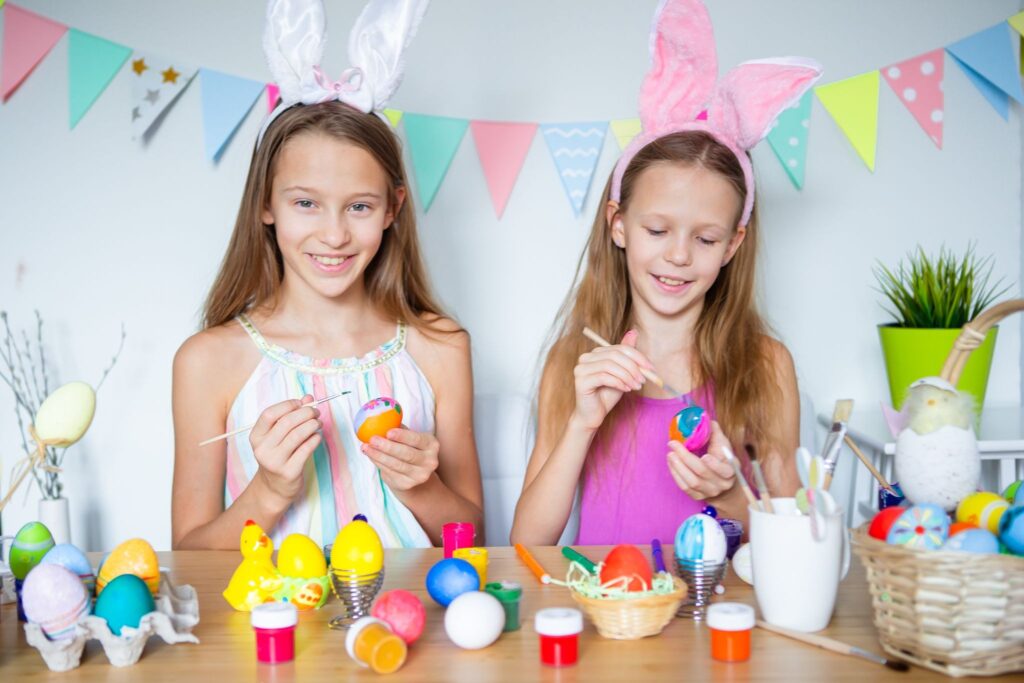
Dyeing eggs. This is the most affordable activity. You can use onion husks, food coloring, stickers. Children often enjoy the process. You can also organize a «battle of the eggs». Each person chooses his own and knocks on the egg of the other. Whoever cracks the shell loses.
Bake or buy a kulich. Kulich is a sweet high bread with icing and sprinkles. Children usually like it, even if they don't know the history of the holiday.
Say «Christ is Risen - Truly He is Risen.» Even if the family is not religious, you can simply explain that this is a traditional Easter greeting. The child will most likely want to repeat these words and remember them as part of a special day.
Easter provides a good reason to talk about how traditions can differ. In America, for example, children look for chocolate eggs hidden by the Easter Bunny. In Russian culture, Easter looks different. No option is better or worse. These are simply different ways to celebrate the same spring and similar feelings.
Victory Day: The Hardest Conversation

May 9th is the hardest to explain to a child abroad. It's not just about war as a topic. What's also important is that there are very strong emotions surrounding this day in the Russian-speaking community.
The U.S. has Memorial Day. This day is often perceived as a quiet holiday with barbecues. May 9th in Russia looks different. There are songs, a parade, the «Immortal Regiment,» photos of ancestors, and tears. Many people feel like all of this wasn't that long ago.
What can you tell a child?
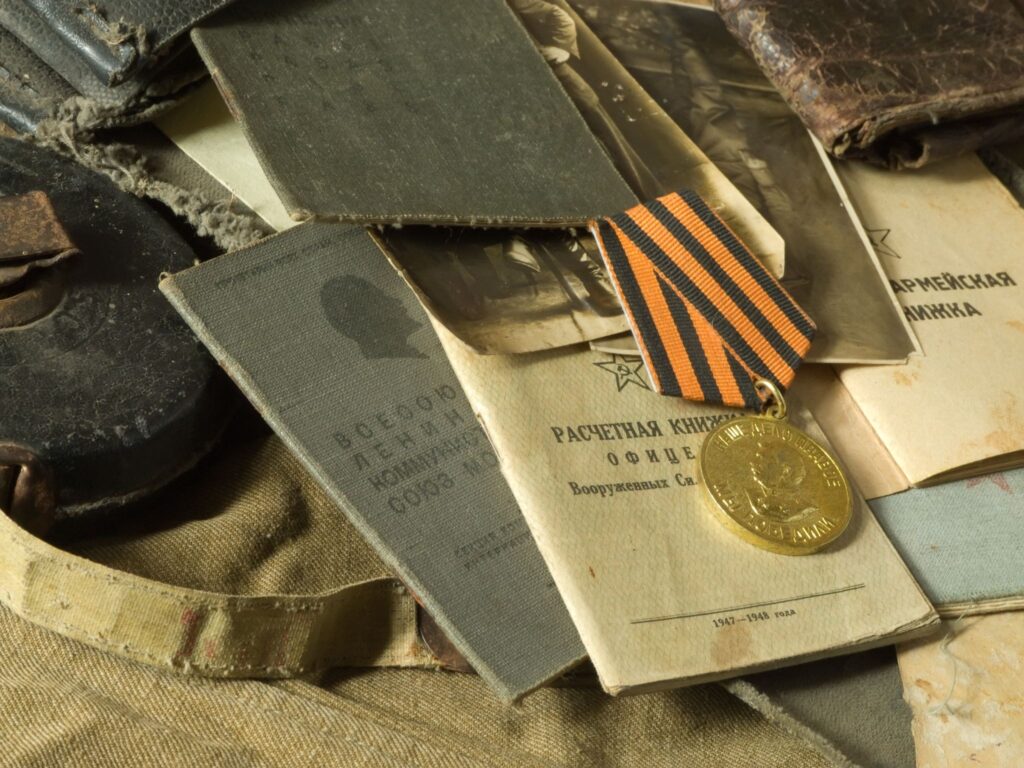
May ninth, the day on which the war in Europe during World War II ended. In Russia, this part of the war is called the Great Patriotic War. People defended their country, their homes and families. A great many people died. Researchers put the number in the tens of millions. In almost every family someone did not return. Therefore, Victory Day in Russia and neighboring countries is perceived not as just a date from a textbook. It is a very personal day.
For a child aged 8-12, not exact numbers, but how it relates to their family is more important. Stories about specific people help with this.
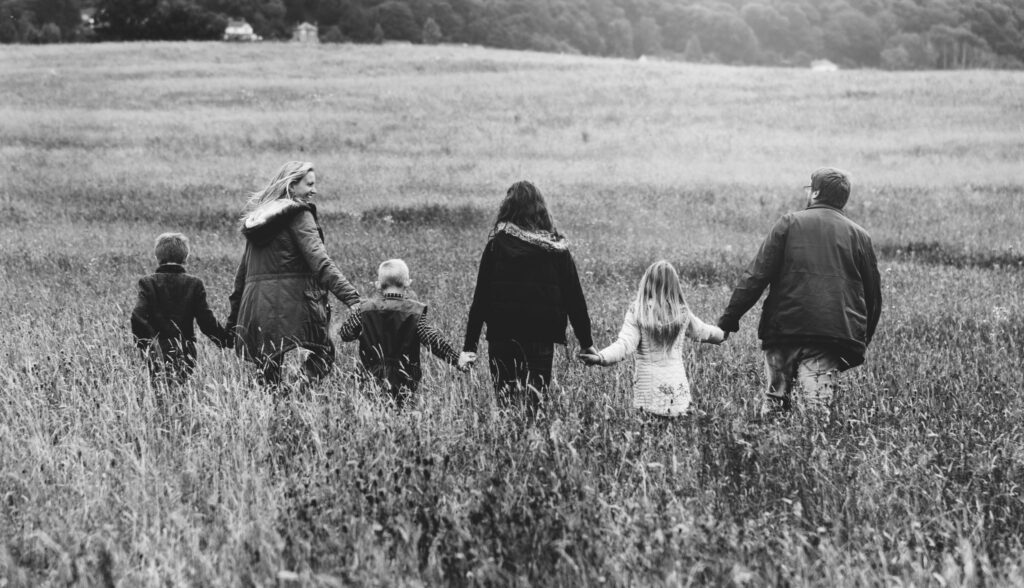
If you know who among your great-grandfathers or great-grandmothers fought, you can tell about it. Where he was. What happened to him. Show a photograph if one has been preserved. This is how «war» ceases to be abstract. It turns into his family's history.
What can we do together
Watch a clip from a suitable movie or cartoon about war. For younger children, you can choose gentle and short stories. For older children, more serious films are suitable, but still in a careful mode.
Listen to songs from the war years. For example, «Katyusha,» «Victory Day,» or «Cranes.» Discuss whether they are sad or uplifting.
Remember how your grandmother or great-grandmother spent the day. Do they go to the monument. Watching the parade. Remembering family members.
It's important not to turn this conversation into a heavy patriotism lesson. It's enough for the child to understand that this day is significant for their family, and there are reasons for that.
Why tell children about holidays at all

Holidays aren't just dates on a calendar. They are stories that people tell each other over and over again. They convey important meanings and values.
For a child abroad, Russian holidays can be a bridge to a culture that he or she does not see outside the window. If no one talks about these holidays and does not show them, the connection with the culture gradually weakens.
At the same time, you should not make holidays an obligation. If a child «must» know about Pancake Day and «must» paint eggs, there will be little joy. And if you just bake pancakes and in between tell a family story, it is memorized easily. For example, how grandma once burned a Shrovetide effigy made of an old dress.
The goal is not for the child to learn all the names and dates. Something else is important. For them to feel: they have their own culture, their own history, and their own traditions. They are not somewhere far away. They are a part of their life and their family.
How do we work with cultural context at Palme School?
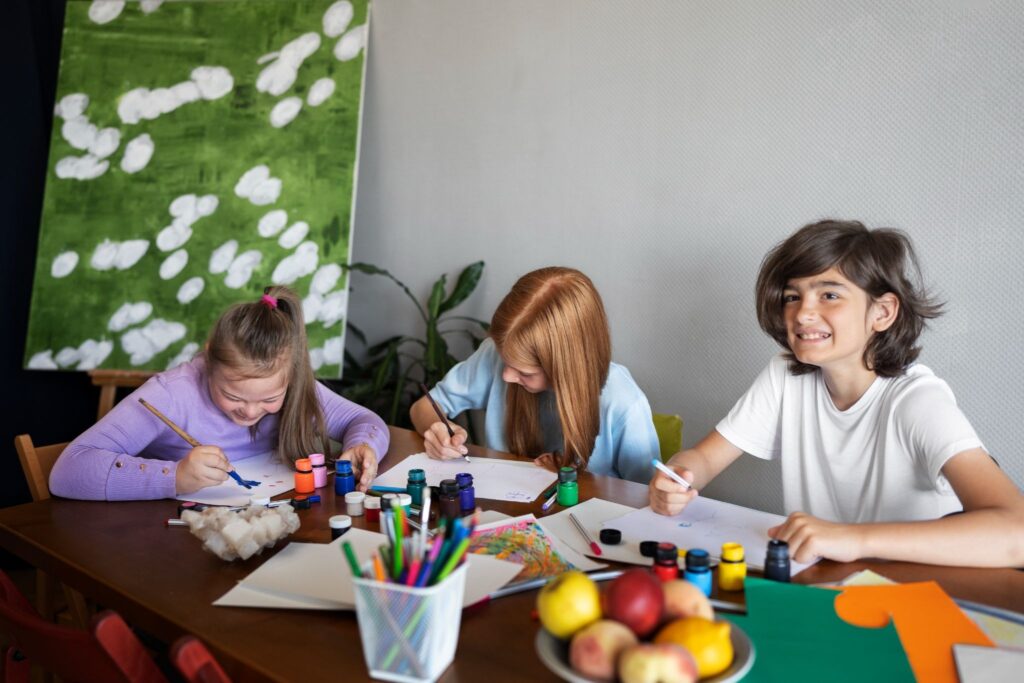
At Palme School, holidays and cultural traditions are integrated into the curriculum. They are not a separate add-on, but rather a part of the lessons.
When Maslenitsa approaches, we discuss it through language. We read texts, discuss, play, and sometimes create our own modern rituals with children. When the topic concerns Easter or Victory Day, teachers select materials according to the age and sensitivity of the group.
This is especially important for children abroad. In everyday life, they have few places where Russian holidays are truly celebrated. In class, children get at least part of that experience. They can talk about Russian traditions with peers who are also growing up in two worlds at once.
If you want Russian to remain both a language and a culture for your child, you can come for a trial lesson at Palme School. We help children feel that the Russian world is not just textbooks and grammar. It's also stories, holidays, and people you enjoy being around.