How can you help your child learn Russian while living abroad — and connect with their cultural roots? The answer is simple: cartoons!
But just include all in a row Russian cartoons are useless. In order to watch cartoons for children was not only fun, but also useful need to know what cartoons to include, and how exactly to watch them.
We’ve put together a list of the best Russian-language cartoons that help kids learn the language — and fall in love with the culture.
Top Russian Cartoons for Language Learning

1. Smeshariki (The GoGoRiki)
This funny, colorful series covers everything from friendship and science to Russian folk traditions.
It’s perfect for helping kids explore real-life situations and modern Russian values in a playful, easy-to-understand way.
2. Classic Disney Movies (in Russian)
Watching Disney stories in Russian (especially paired with books) is a fantastic way to boost vocabulary and grammar. The clear storytelling and rich language help children speak and write more confidently.
3. Malyshariki and Pin-Code
These are spin-offs of Smeshariki made for younger viewers.
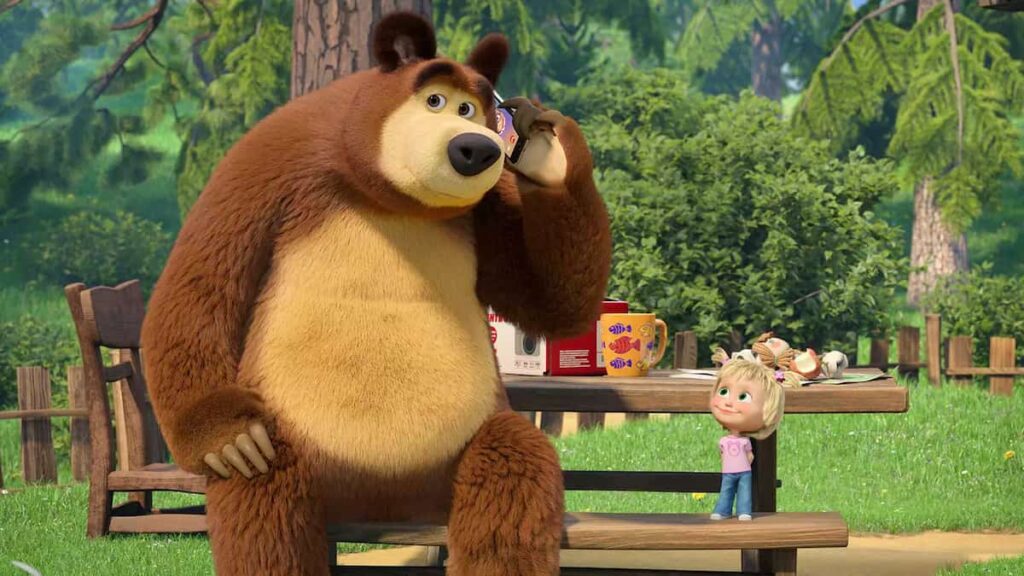
4. Masha and the Bear
This world-famous cartoon is available in dozens of languages — but the original Russian version is the most authentic. It introduces kids to folk music, traditional values, and Russian humor, all through the funny adventures of Masha and her kind bear friend.
5. Three from Prostokvashino (and other Soyuzmultfilm classics)
Soviet-era cartoons from Soyuzmultfilm are full of heart, humor, and beautiful Russian. They teach kindness, morals, and classic vocabulary that helps kids speak clearly and respectfully.
Bonus: You can watch them together and tell your child about what life in Russia used to be like.

How to Make the Most of Cartoons
Watching cartoons is great — but how your child watches matters too. Here’s how to make cartoon time more productive:
- First, you should make watching cartoons in Russian a regular occurrence. You can even organize traditional family marathons, for example, twice a month. Without regularity, there will be no result.
- Talk about what they watched. Ask your child to retell the story at bedtime or on the way home from an activity. This builds comprehension, memory, and speaking skills.
- Mix cartoons with books. Many of these cartoons have printed versions or picture books. Reading the stories along with watching them boosts vocabulary and helps with reading skills.
And you can also include children the same cartoons first in Russian translation, and then in English, to make it easier for the child to compare and combine both languages in the head. By the way, here's this article for a curated list.
But the main thing in teaching and introducing Russian culture into a child's life abroad is patience and regularity. Any learning is labor.
That is why we are ready to take on some of your worries and take on teaching your child Russian language and culture. To do this, simply fill in the form below this article to sign up for the first trial lesson.