


Positive stress is short-term stress that occurs in response to new and unfamiliar situations.
Negative stress causes fear and helplessness. Positive stress is a «workout» for the nervous system. It strengthens the ability to cope with difficulties. This is the same feeling of «chills» before going on stage or even skydiving. When a person is scared, but really wants to do it.
The main difference is that positive stress is caused by positive events. For example, a long-awaited meeting or going to the first grade. Normally, it is a mild, pleasant excitement.
How positive stress manifests itself in children
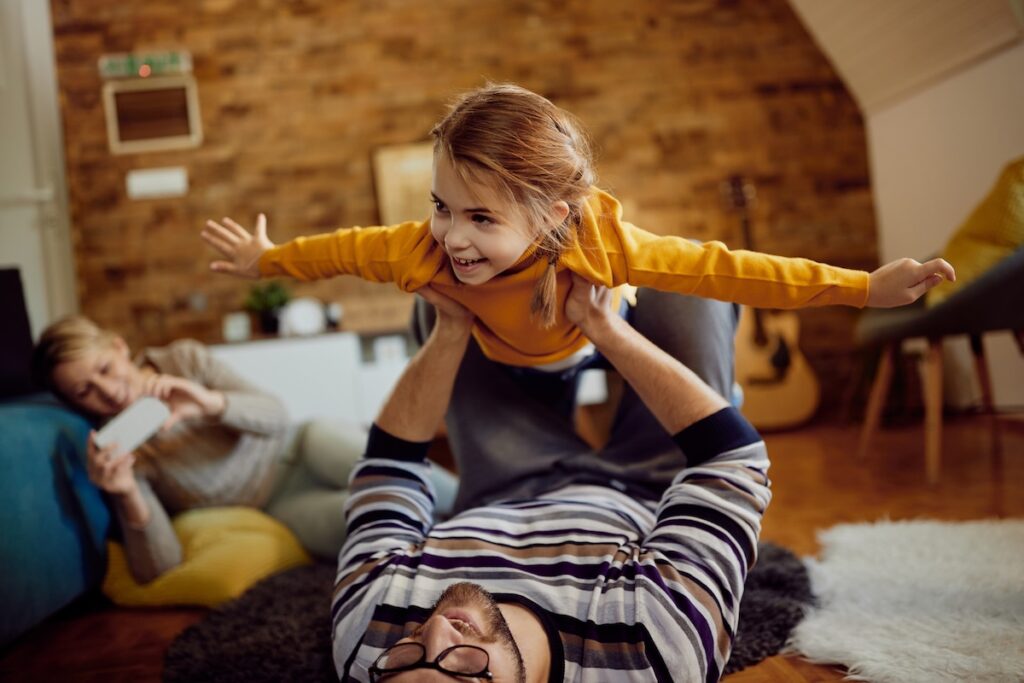
Excitement before an important event
A child may be nervous before a performance, but they will want to try. This is a healthy reaction. Such excitement mobilizes strength and helps to show the best result.
The joyful anticipation of a new experience
Before going to camp or the first day at a new school, your child may have mixed feelings. Both fear of the unknown and interest in new things.
A mild anxiety that motivates
Before the control the child may think that it is worth repeating the material to be more confident in his abilities. Such anxiety makes you prepare, not relax. The main thing is that it does not turn into panic.
The benefits of positive stress
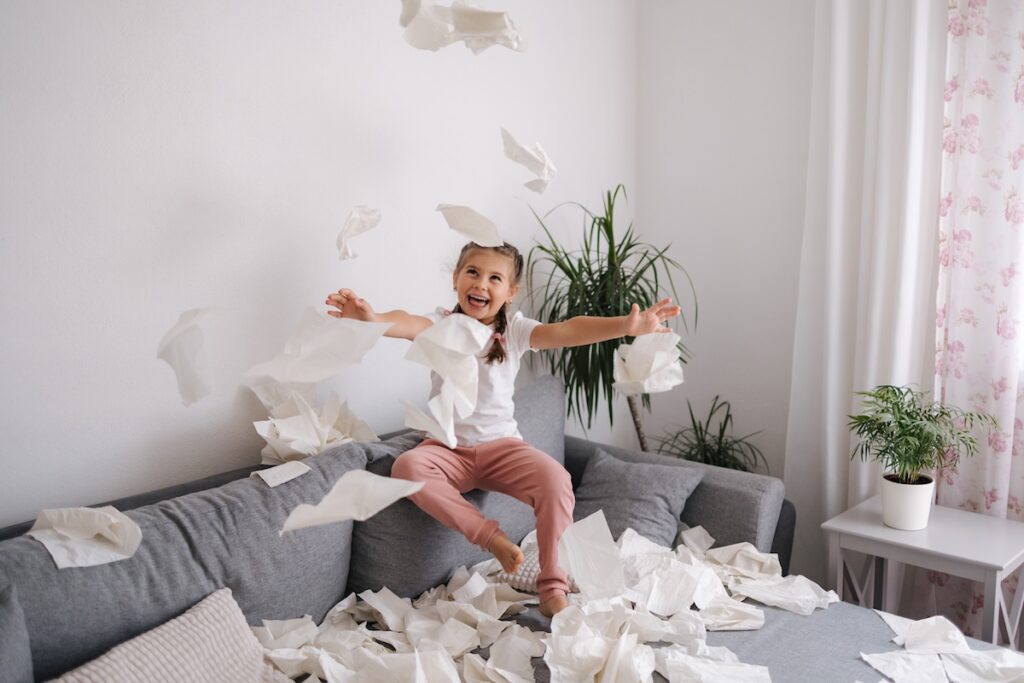
The benefits of stress are obvious:
- Resilience to shocks
- Problem solving skills
- Strengthening emotional intelligence
- Improved self-esteem
- Preparing for adulthood
How to distinguish between helpful stress and harmful stress
The difference between positive and negative stress is not always obvious.
Here are the main points of reference.
Positive Stress:
- Short-term - arises due to the situation
- Afterward, the child feels relieved and proud
- Motivates to action, not paralyzing
- Gradually decreases as you get used to the situation
Negative stress:
- Can become chronic
- Afterward, the child feels exhausted and helpless
- Paralyzing and inhibiting
- Can cause physical symptoms like headaches, sleep problems, loss of appetite
It is important to recognize in time if your child needs help. Stress in children may not go away after the event or may get worse over time. Then this is a reason to contact a child psychologist. Particularly importantbut keeping an eye on the teenagers.
Tips for parents
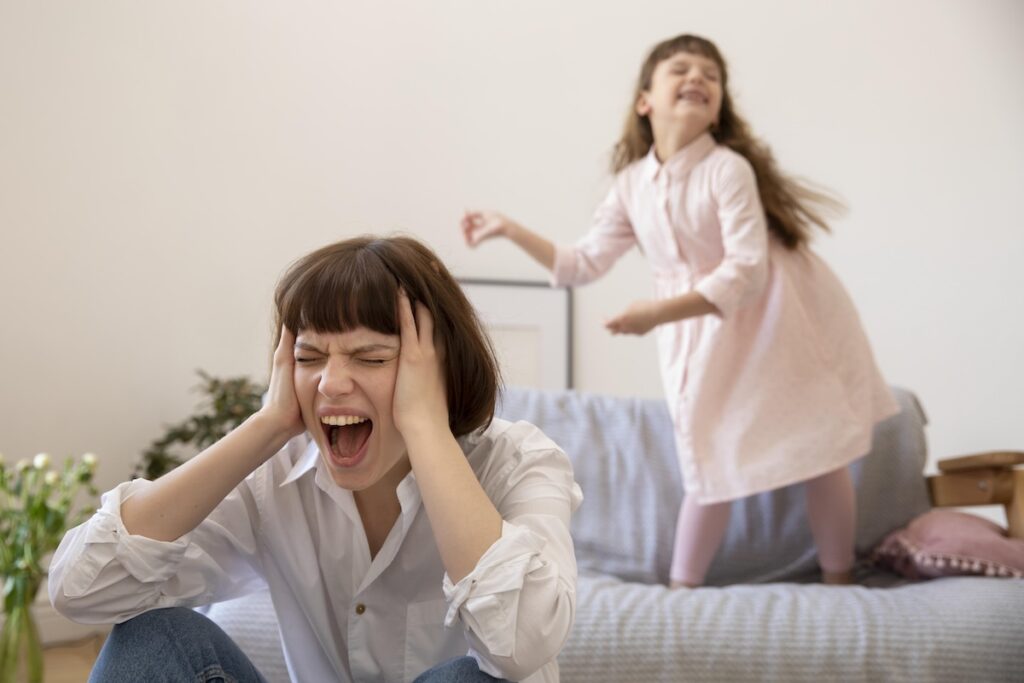
Your job as a parent is not to eliminate all stress from your child's life, but to help your child learn to cope with it. Here are some practical tips.
Modern children are often overloaded. Clubs, sections, extra classes. Make sure that your child has time for rest and free play.
Teach your child to name and recognize his or her emotions. This helps the child understand that all feelings are normal and can be discussed. Open dialog is the foundation of a child's emotional health.
Tell your child that it is okay to make mistakes. The main thing is to learn from mistakes. When a child is not afraid of failure, he or she is more willing to take on new tasks.
Restore your sleep patterns
If your child can't fall asleep for a long time after an active day, they need a break. Introduce daily bedtime rituals:
- book reading
- soft music
- co-creation
Examples of exercises and games to develop stress resilience
Here are some simple practices to help your child learn stress management skills:
«Breath Bubbles.»
Ask your child to imagine blowing bubbles. Have her take a slow, deep breath in through her nose. Then slowly exhale through the mouth as if blowing a bubble. Repeat five to ten times. This exercise calms the nervous system in 2-3 minutes.
Art therapy
Any kind of creativity helps to calm down. And it is a good way not only for children.
«Я могу»
Каждый вечер попросите ребенка назвать три вещи, которые у него сегодня получились. Даже если они кажутся мелочью. Это укрепляет уверенность в себе и учит замечать свои успехи.
Позитивный стресс — это не враг, а союзник в детском развитии. Главное — быть рядом. И показывать, что вы верите в силы ребенка.