


When a child lives abroad, the question «How is his or her Russian?» comes up especially often from relatives, teachers, and even in the mind of the parent. You want to see clear progress, not just hear «well... I guess he speaks».
Let's understand what «makes progress in Russian» really means, what are the specific markers by age and level, and when it is worth discussing everything with a specialist, rather than scolding yourself or your child.
What would be considered progress in Russian

It is important to remember: a bilingual child develops differently than a monolingual child in Russia, and this is normal. Therefore, progress is not «speaking without mistakes», but:
- understands more phrases and situations in Russian;
- begins to use Russian himself in life, not just to «answer in class»;
- expands vocabulary and can hold a conversation longer;
- makes mistakes, but increasingly corrects itself or «improves» phrases over time.
The main criterion for a parent: compared to last month or quarter, the child uses Russian more often and more boldly in real-life situations.
Progress markers: not by class, but by level
With children abroad, it is easier to look not at the «grade» but at the level of Russian. Below are guidelines that you can try on your child.
He understands, but he doesn't answer much
Usually these are children 3-6 years old or those who clearly have Russian as a «second» language.
Signs of progress:
- It better understands everyday requests in Russian: «Get dressed,» «Bring the book,» «Put it on the table,» and does so without additional translation.
- Begins to respond not just with a gesture or a single word, but with a short phrase: «I don't want that,» «I want that too,» «Give me the green car.».
- More and more often he inserts Russian words into a game or conversation, even if the sentences are still mixed («code-switching» is a normal stage for bilinguals).
- Repeats new words after an adult and sometimes uses them later without prompting.
- If a month ago he almost always answered in Russian one-syllable or silent, and now he is trying to build his phrases, this is already a serious step forward, even with mistakes.
What a «middle of the road» baby sounds like»

Sometimes the child's Russian is no longer the weakest language, but it is not the leading language either: he or she answers in Russian, but in short, simple words, and thinks a lot before saying something. If after a month or two you notice that the answer has become a little longer, there is at least one example or explanation of «why», and there are fewer long pauses and confused silence in the dialog, it means that there is progress, it just looks like a gradual increase in courage and length of phrases, rather than a sharp «leap».
As the child who already has Russian «alive» says»
It can also happen: a child easily switches to Russian, argues, jokes, and comments on everything, but every now and then he «stumbles» on the forms of words or substitutes a word from another language. If, over time, his stories become more complete, there is a beginning and an end to the story, more details and clarifications, and he sometimes tries to correct himself or asks «how to say it better», this is growth. At this point, it is important not to catch every mistake, but to notice that Russian is already being used for real communication, not just for a «check mark» in class.
There is progress, even if it doesn't seem like it to parents

Sometimes a parent looks at the mistakes and concludes, «We are standing still. In fact, for bilinguals, some things are just signs of development.
Good signals:
- The child has started arguing and joking in Russian. This means they have enough language not only for «survival» but also for emotions and nuances.
- He began to ask questions in Russian more often: «How will...?», «Why do they say that?». This means that he is aware of the language and wants to «finish» it, not just copy it.
- Can switch between languages depending on the situation: speaks Russian with grandma, and the country's language with classmates. This is not «betraying Russian,» but a normal bilingual skill.
If all this has appeared or intensified in recent months, then there is progress, even if the notebook still contains «zhy-shy» and confused cases.
When to be concerned and consult a specialist
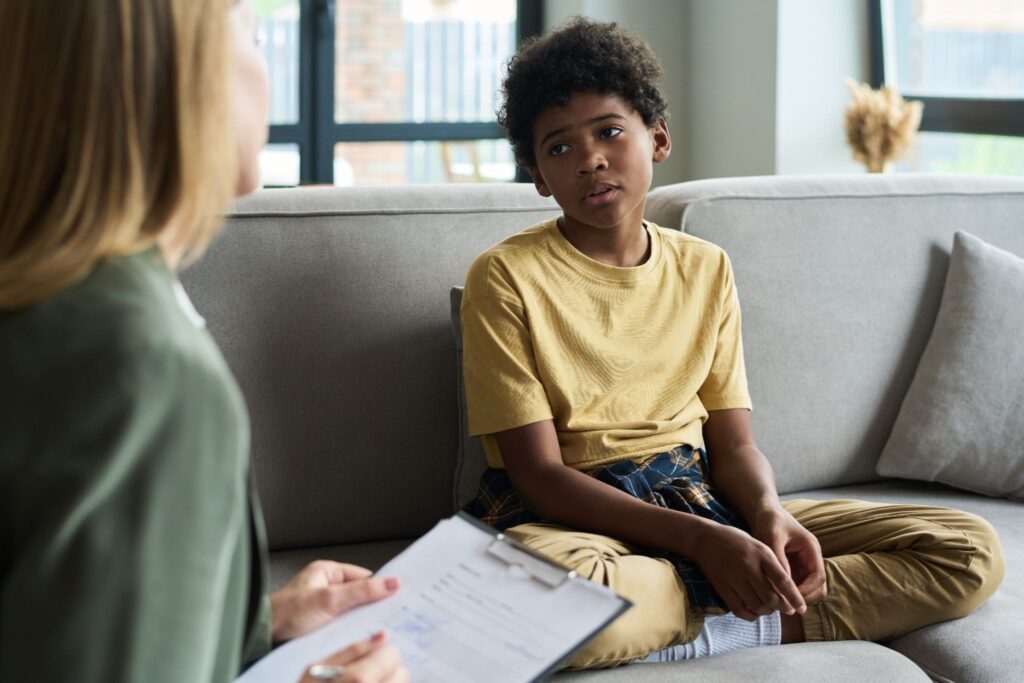
There are situations when it is better not to «wait another year», but to discuss everything with a speech therapist or methodologist for Russian as a second language.
It makes sense to seek consultation if:
- the child steadily avoids Russian, refuses to understand simple instructions, although he used to understand them before;
- regressed: noticeably fewer words, speech simplified, he is silent more often;
- Even in his «own» language, he has great difficulty with understanding, constructing sentences, and communicating with peers.;
- Are you doubting if this is «normal for bilinguals» or if it's already a reason for diagnosis.
It's better to calmly discuss the situation with a specialist once than to spend a year wondering «what if we're missing something?».
And if you're taking classes at Palme School
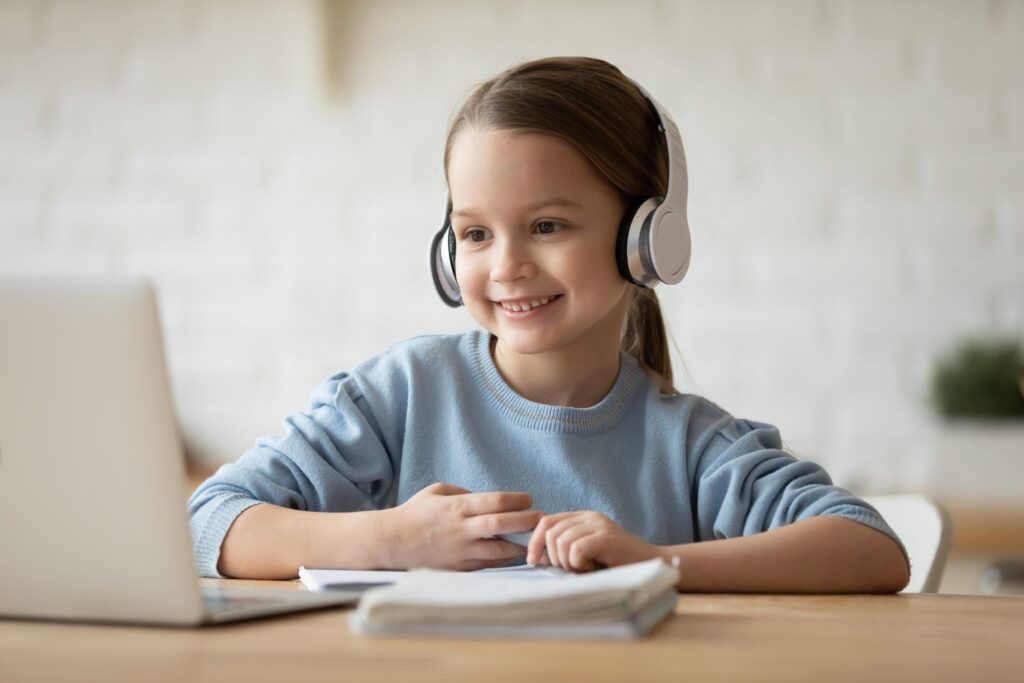
Palme School children make progress not only «by ear» but also in more formal measures: vocabulary, comprehension of instructions, reading and writing (if age-appropriate).
What you can lean on:
- the child has become more willing to go to class, shares more often what they did and what they played;
- At class, he talks more on his own, not just giving one-word answers.;
- copes with tasks that seemed difficult a month ago (long stories, new topics, reading).
The school has its own progress tracking system, and you don't have to «guess» whether a child's Russian proficiency is improving. You can discuss this with the methodologist.
Discuss progress with the counselor, make an appointment for a consultation.

If you want to understand your child's current Russian language level, what progress markers are already present, and what to expect next, it's easiest to talk to someone who sees dozens of such stories.
At Palme School, the Methodists:
- look at the child as a bilingual, not a «non-Russian speaker»;
- explain what goals are realistic for the family's age and lifestyle;
- They're proposing a plan: what to focus on in the coming months: speaking, vocabulary, reading, writing.
Make an appointment for a consultation with a Palme School methodologist to calmly dissect your child's progress and see that over the course of March (and not just March), he or she has likely made many more steps in Russian than you think.