
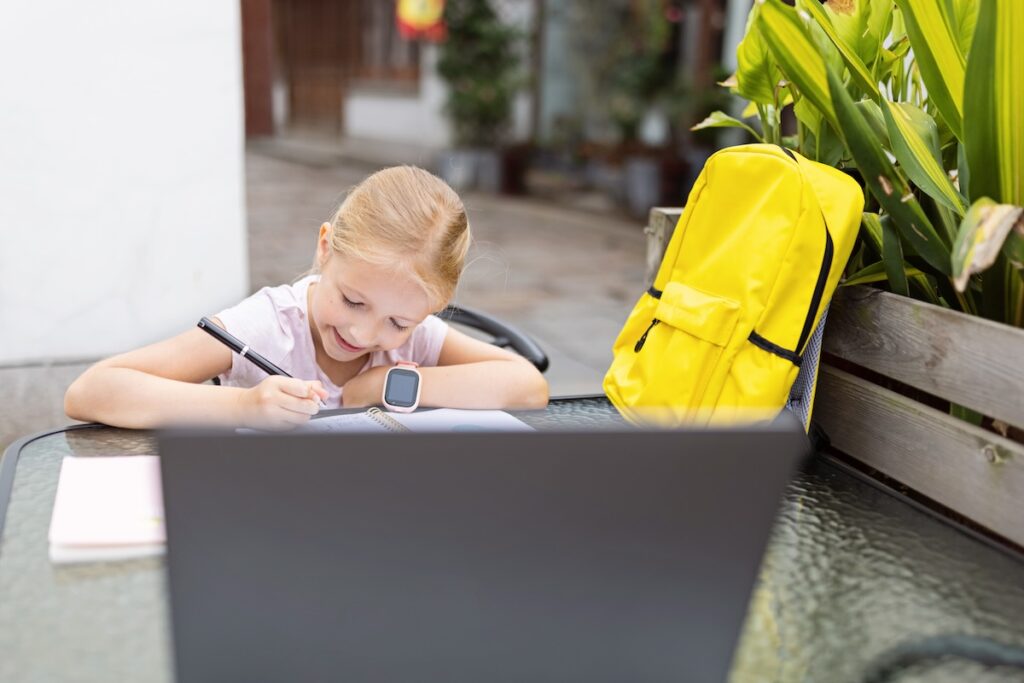

School is a serious mental load. After 6-8 lessons, a child is exhausted not only in strength, but also in the ability to concentrate. Therefore, proper leisure time for schoolchildren is not a luxury, but a necessary condition for recovery, emotional balance and further growth. Just «sit on the phone» or immediately sit down for homework - not a solution. The first exhausts the nervous system, the second causes resistance and burnout.
The parent is not a controller here, but a guide: helping the child to change the «study» mode to the «recovery» mode, and then to the «creativity» or «movement» mode. The main thing is not to impose, but to offer options, taking into account age, temperament and interests. The question «what to do a child after school?» - is one of the most frequent questions among parents, and the answer lies not in the number of activities, but in their quality.
Vacation after school - where to start
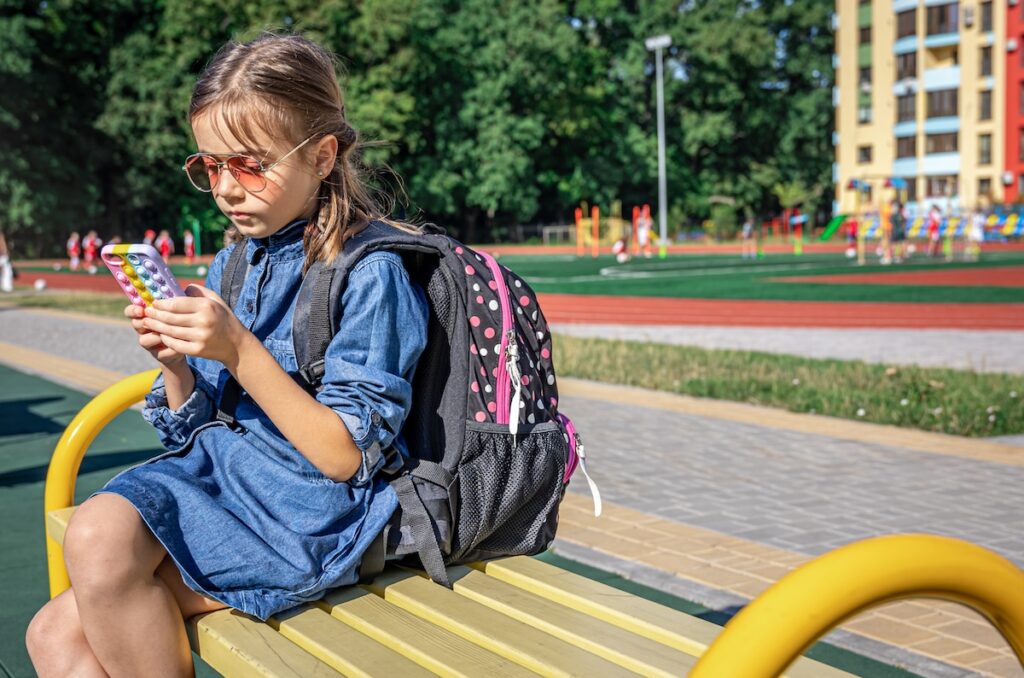
Immediately after school the child needs a transition period of 30-60 minutes without demands, screens or learning tasks. For example:
- snack,
- a walk in the yard,
- quiet game,
- conversation without evaluations: «What was funny today? What was tedious?»
Why should not sit down for lessons at once? The brain needs a «reset».
Students who have a break after school do faster and better on homework than those who start right away.
Homeschooling without screens
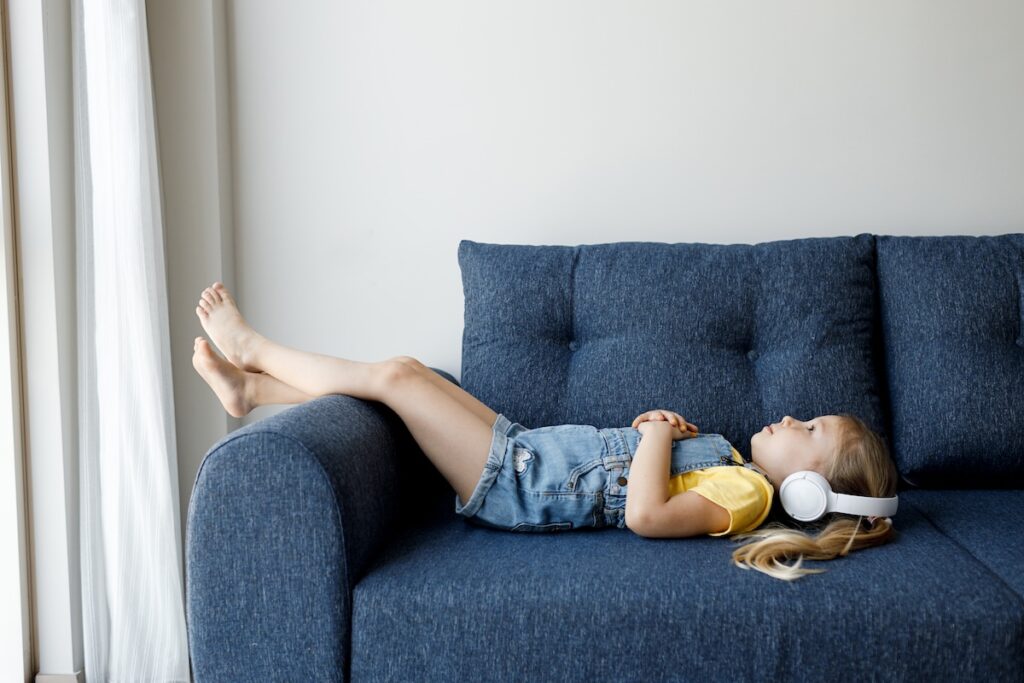
It is useful to alternate between activity and calmness. After a rest, you can offer:
- Reading,
- board games,
- cooking,
- plant or pet care.
These wholesome activities for your child develop responsibility, fine motor skills, and planning skills - without feeling like a «lesson.».
Active and developmental activities
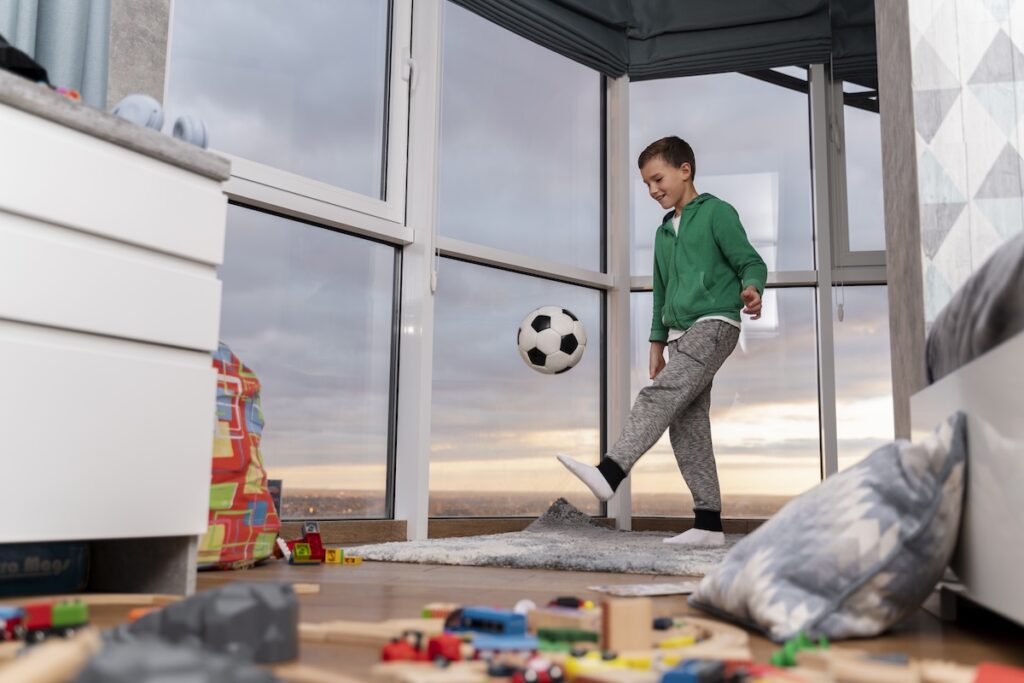
If you have a lot of energy, you need movement. Physical activity relieves stress and improves sleep.
For long-term growth, clubs and sections for children are important - not «just for the sake of it», but for interest. Proven options:
- languages and reading - especially relevant for families where one language is not dominant;
- Music and theater - develop empathy, speech, confidence;
- Chess - teaches strategic thinking and concentration;
- robotics and programming - for those who like to assemble, experiment.
The main thing is not to overload. It is enough 1-2 after-school activities per week to make the child feel successful, not tired.
How to choose the right activity for your child
Ask directly, «Do you want to try it?» - and try it at least 2-3 times.
Many children refuse new things out of fear of failure, not out of dislike. Pay attention to what he talks about with enthusiasm - even if it seems useless. For example, assembling LEGOs or observing insects. Often there is a penchant for engineering, biology, design behind it.
And remember: What to do with your child after school is not about filling time. It's about supporting them as a person. Sometimes the best thing to do is just to be there for them.