

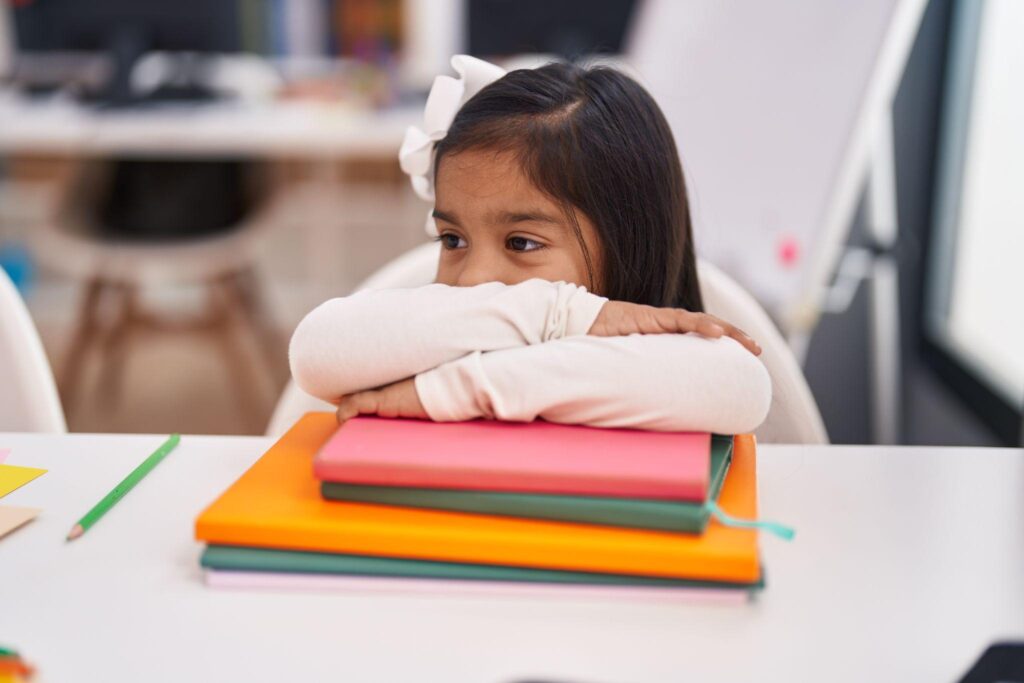

The child rolls their eyes, stalls, and comes up with excuses. It's the same thing every time. Let's explore what's behind this and what to do about it.
Resistance is not a whim
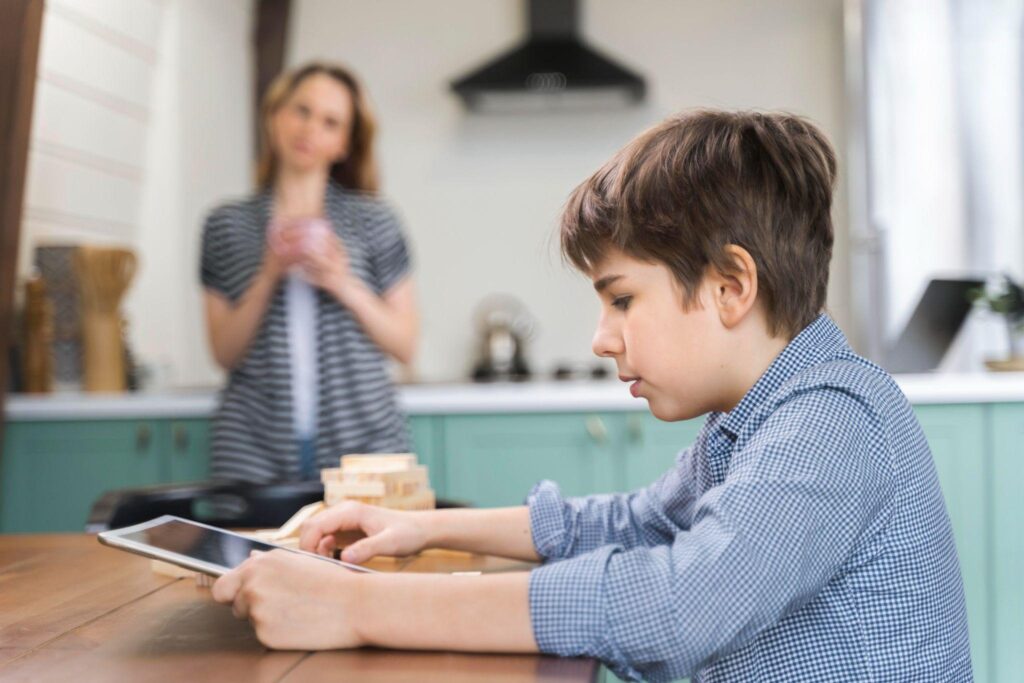
When a child says «I don't want to,» a parent's first instinct is to insist, and then to give in. Both options may work once, but neither solves the problem.
Resistance almost always communicates something. Not about laziness or bad character, but about something not aligning: expectations and reality, effort and outcome, desire and current capabilities. If you understand what exactly, the conversation with a child becomes completely different.
Here are the seven most common reasons, and what you can do about each of them.
Reason 1. Just tired

The child spent eight hours at an English-language school, then training, then homework. And then a Russian lesson. By this point, their brain had literally exhausted its concentration resources. This isn't a metaphor, but physiology: a child's capacity for voluntary effort depletes throughout the day just like a muscle after exertion.
What to do. Look at the schedule. If a lesson is scheduled at the end of a busy day, that in itself is a problem. If possible, reschedule the class for a weekend morning or a time when the child isn't yet exhausted. Sometimes that alone changes everything.
Reason 2. Fear of making a mistake

This is especially typical for children aged eight and up. At this age, the opinions of those around them become almost the main guide. The child feels insecure in a language they are less proficient in, and every remark can lead to a feeling of «I'm worse than others.» Therefore, they sometimes prefer to skip class altogether rather than face mistakes in real-time.
What to do. Talk to your child not about trying harder, but about how mistakes are fundamentally a learning mechanism. The brain remembers through mistakes better than through getting the right answer the first time. This isn't a consolation, it's neuroscience. And make sure no one in the lesson laughs at mistakes or corrects every phrase.
Reason 3. Doesn't understand why it's necessary

«Everyone around speaks English. Why do I need Russian?» This is an honest question, and it deserves an honest answer. Not about roots or about grandma in the abstract future.
What to do. Find a specific and personal answer for your child. Not «it's important for life,» but «you'll be able to read this book yourself,» «you'll understand what they're saying in this video,» «you'll be able to talk to Grandpa without a translator.» The more specific, the better it works.
Reason 4. The lesson is boring

This is an uncomfortable but real reason. If the activity is built on exercises, repeating rules, and correcting mistakes, the child will not look forward to it. They will avoid it.
What to do? Talk to the teacher or observe the lesson. Is there anything lively there: a discussion, a game, a story, a problem to solve? If not, it's a reason to look for a different format. Language is learned through engagement, not through patience.
Reason 5. Feeling pressure from parents

It's a paradox, but the more a parent insists on the importance of Russian, the less the child wants to engage with it. The language starts to be associated not with communication or interest, but with conflict, guilt, and with disappointing someone again.
What to do. Try to remove the topic of language from the requirements for a while. Not forever, but just to lower the temperature. When the pressure subsides, resistance often goes with it. It's counterintuitive, but it works.
Reason 6. Doesn't feel progress

The child is practicing, but doesn't see results. They can't measure if they're speaking better than they were a month ago. This is truly demotivating: there's effort, but no feeling of progress.
What to do. Make the progress visible. Record a short video of the child speaking Russian now, and compare it to a recording in two months. Or save the first text they wrote and show it next to a text from six months later. The difference is usually much greater than it seems from the inside.
Reason 7. The lesson feels like a punishment, not a choice

If a child has never participated in deciding on activities, if the schedule, format, and time are chosen without them, they perceive the lesson as something that simply happens to them. If a child doesn't feel like they are choosing something themselves, a sense of responsibility doesn't develop either.
What to do. Give the child some kind of choice. Not «to go or not to go,» but «at what time,» «what to talk about this week,» «what to bring to class.» A little control over the situation changes their attitude towards it.
What should I check right now

Not all seven reasons are relevant for every child, but one or two certainly are. The easiest way to find them is to ask directly, without judgment and without pressure: «What don't you like about your lessons? What would be different if you could choose yourself?»
Children usually know the answer. They are just rarely asked.
At Palme School, before classes begin, a methodologist speaks with the child and parents separately to understand what is interesting, what is frightening, and what format is comfortable. The program is built around the specific child, not an average one. If you'd like to try it out, the first lesson is free.